
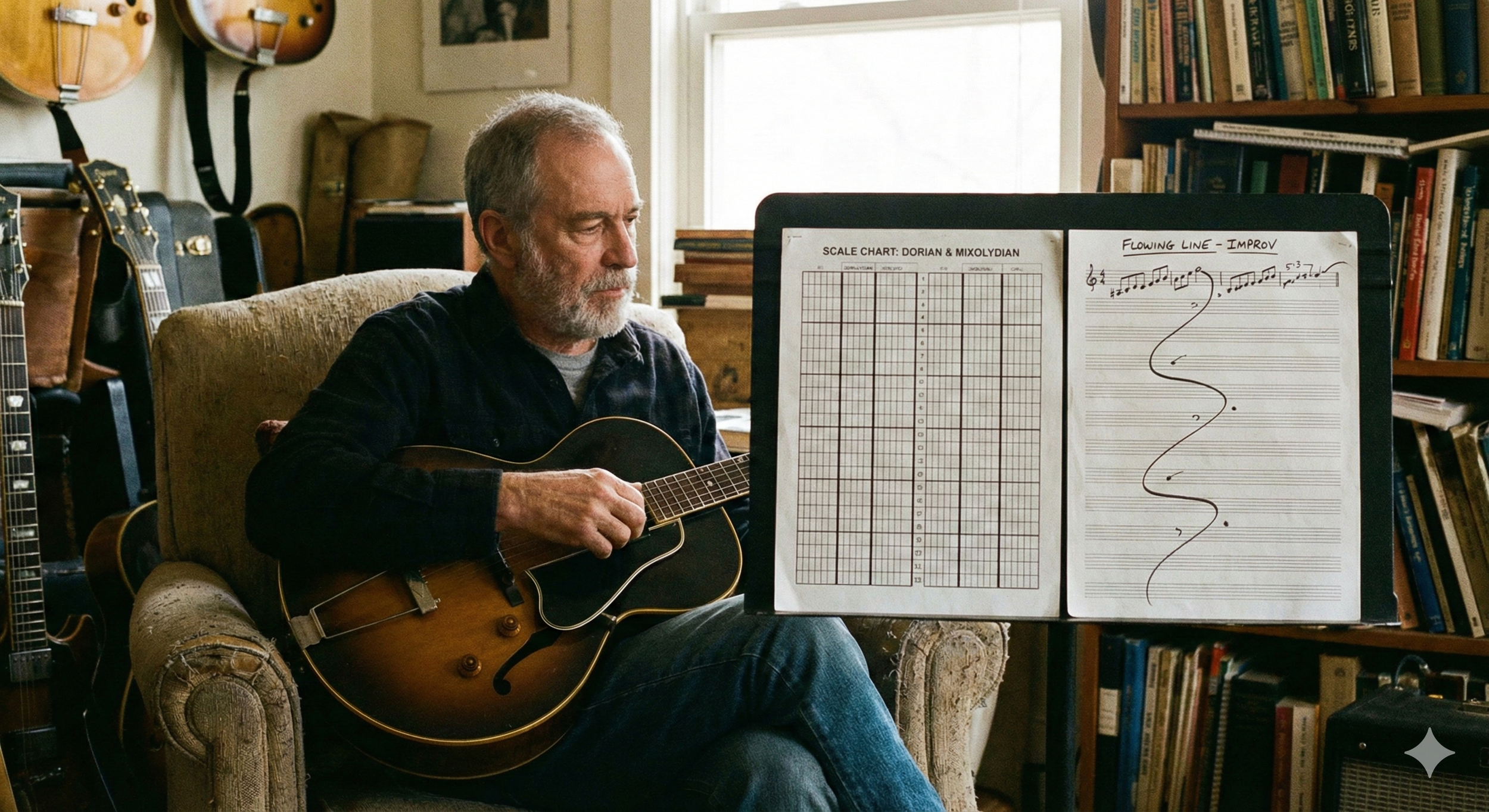
Do You Actually Use Scales When Improvising?
Intermediate players often wonder if pros really think about scales while soloing. The answer reveals the difference between sounding like a student and sounding like a pro.

The Logic Behind Diagonal Scale Fingering
Why wrestle with complex box shapes when the guitar is built for diagonal movement? Learn the simple two-string repeating pattern that simplifies the fretboard.

The Best Ear Training for Chord Melody
Want to learn chord melody faster? Connect your ear to your fretboard with this simple daily singing exercise.
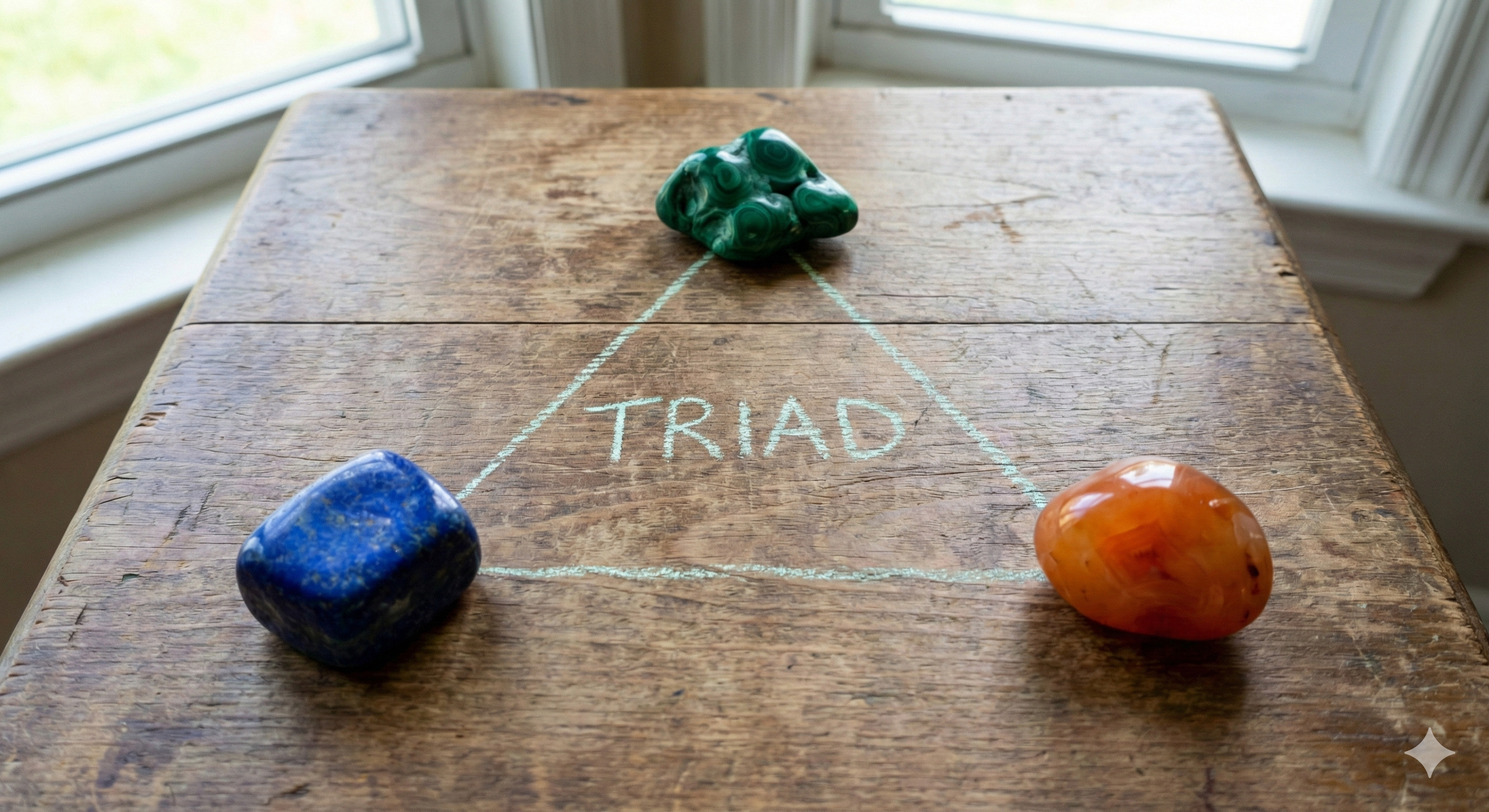
How to Practice Triads for Voice Leading
Think you know triads? The 'Mick Goodrick' cycle approach changes everything. Learn how moving one note creates functional harmony.

Decoding Wes: Upper Structures and Reverse Picking Mechanics
Advanced jazz guitar is not just about speed; it's about harmonic depth and physical mechanics. To truly sound like a pro, one must investigate the logic behind the legends. In this post, we deconstruct the "Db Major over Bb7" superimposition used by Wes Montgomery and analyze the unorthodox "negative angle" picking technique that defines the George Benson sound.

Approaches to Comping and Visualization
Good comping comes from knowing your chord melody. Learn how to visualize lines and voicings together for better accompaniment.
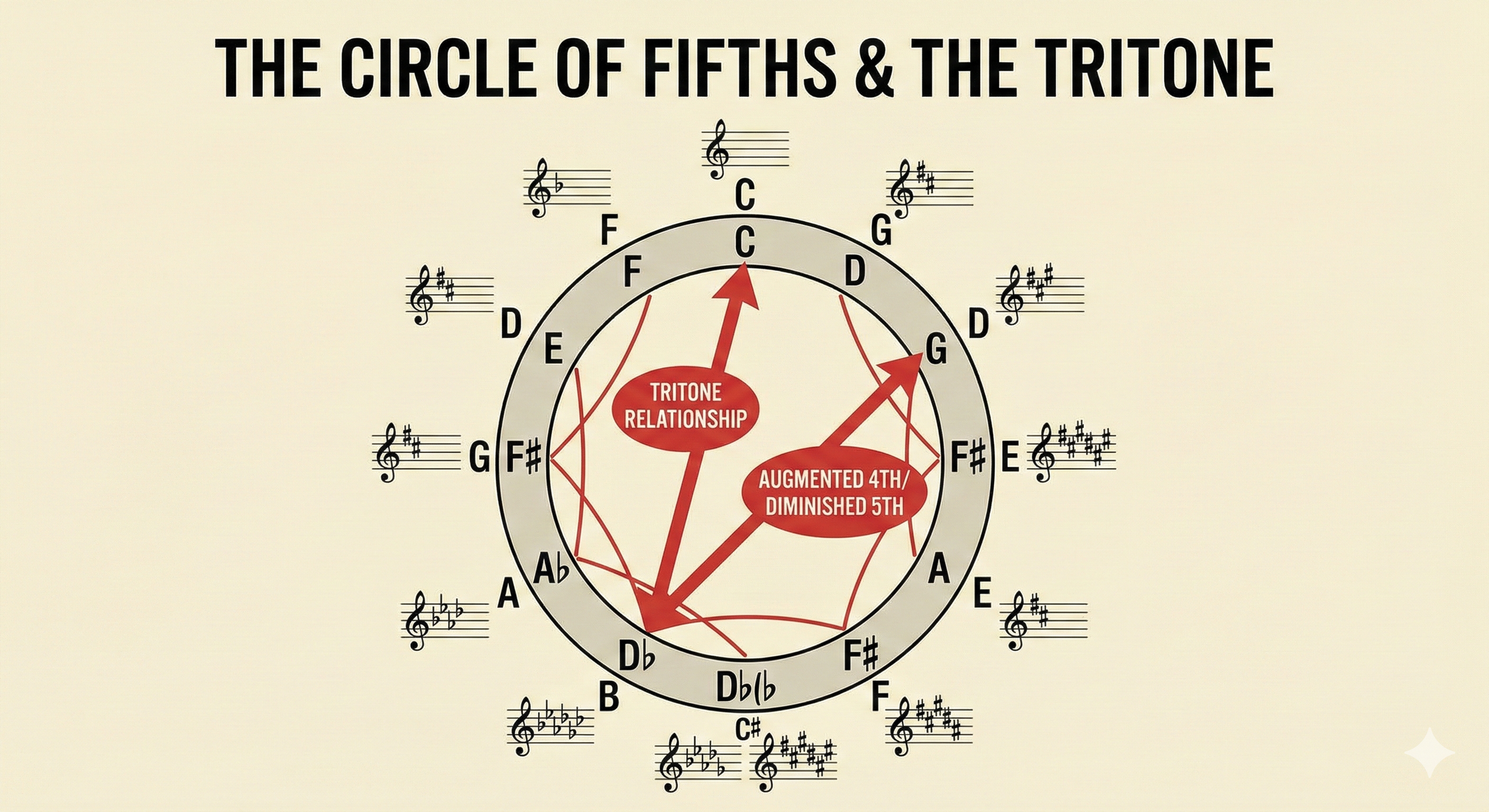
Tritone Substitution and Melody Lines
Tritone substitutions sound cool in the bass, but do they change your guitar lines? Learn when to apply them without breaking the melody.
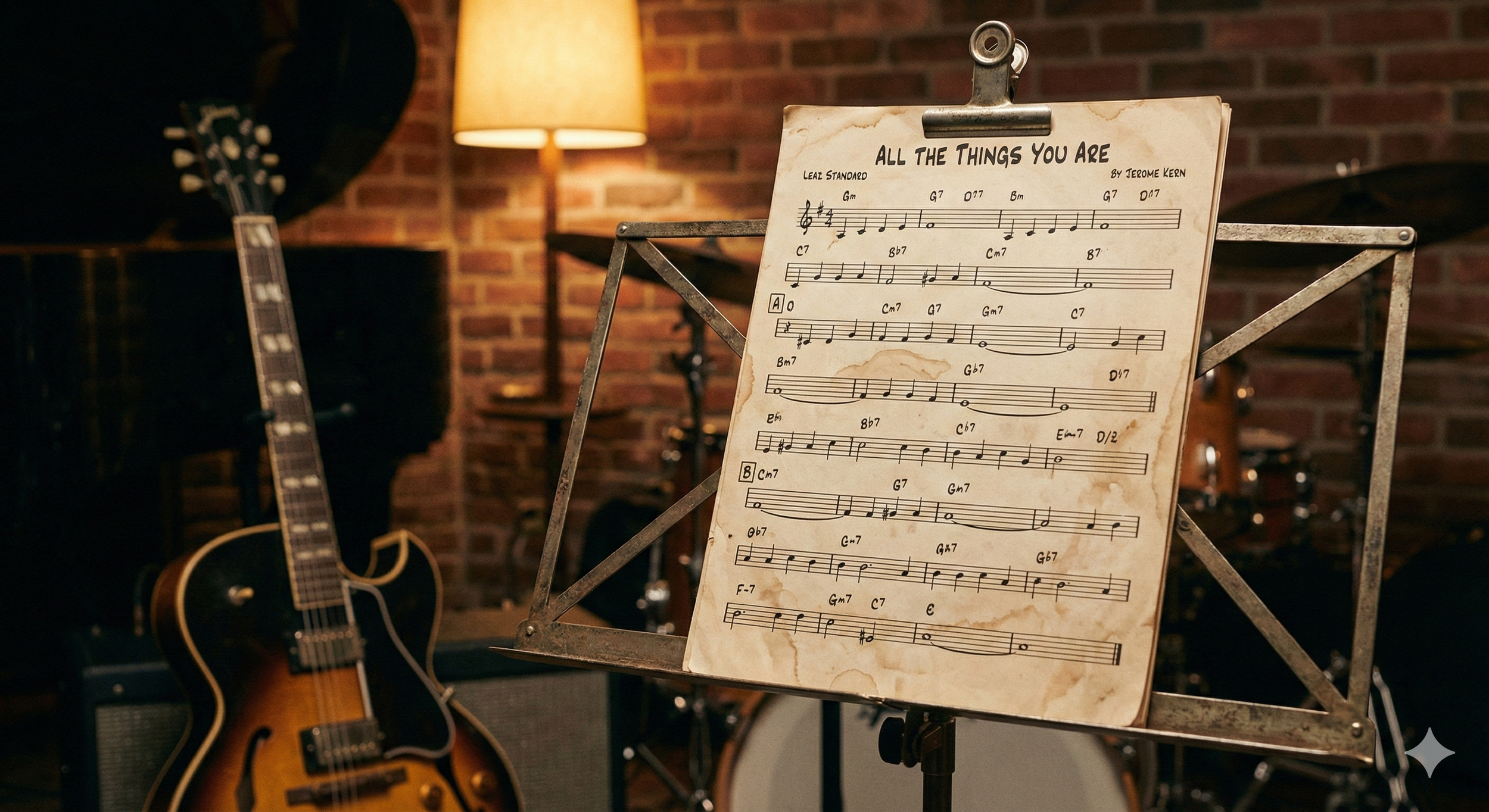
Applying Voice Leading Step-by-Step (Misty Example)
How do you apply voice leading to every tune you learn? We break down a section of 'Misty' to show how melody dictates your path.

Building a Gig-Ready Repertoire & The Art of Rootless Comping
The transition from bedroom player to gig-ready musician rests on adaptability in an ensemble. Knowing a song alone is different from playing with a band. Learn about "paying your dues," essential standards, and the crucial mistake intermediate guitarists make: clashing with the bassist. Discover why dropping the root is the key to professional comping.
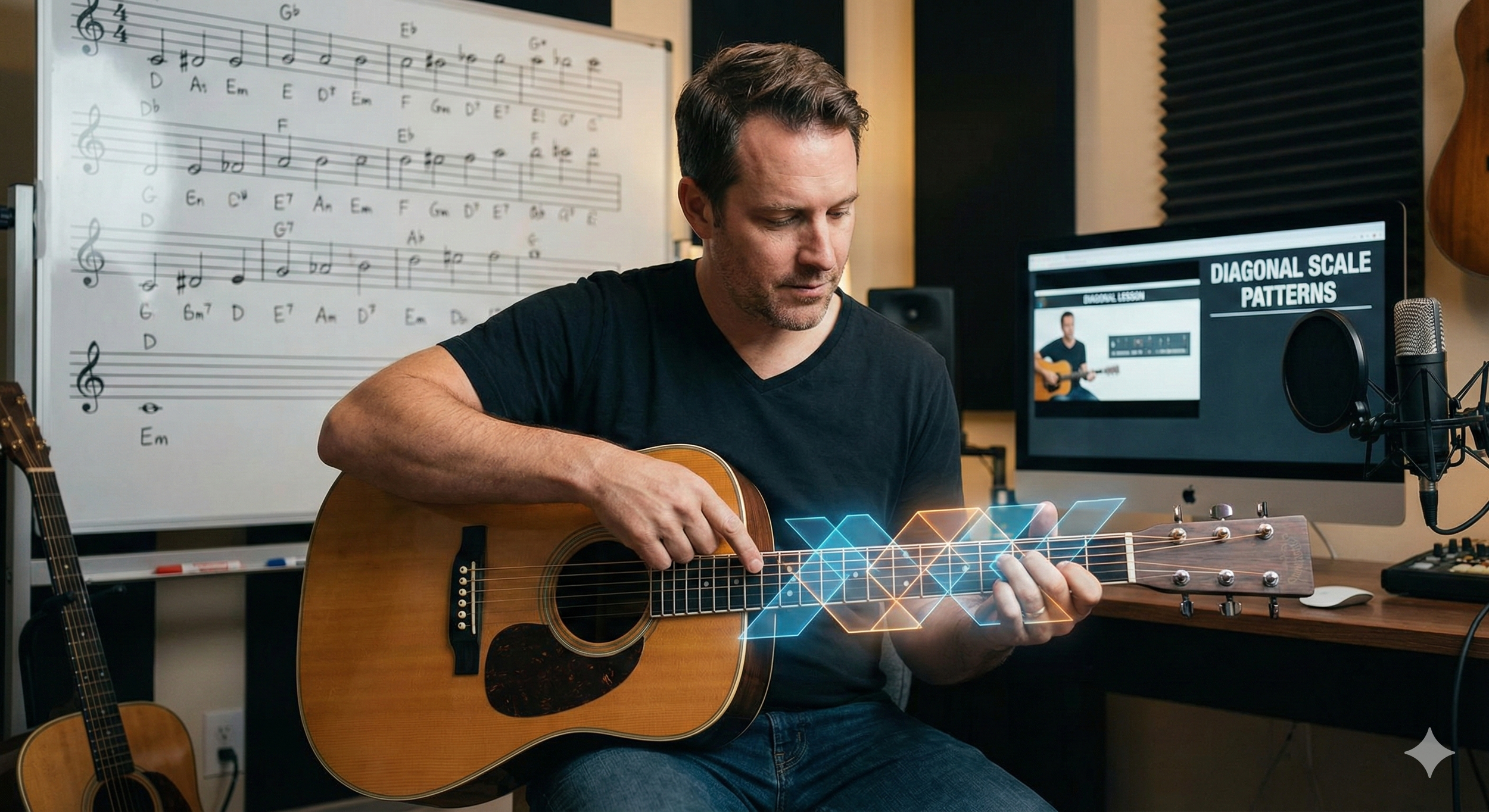
Making Your Lines Fit the Diagonal Structure
Knowing your shapes isn't enough; you need to target the melody. Learn how to combine diagonal structures with voice leading for organic solos.

How to Survive Fast Moving Chord Changes
Fast tempos and dense changes like 'Confirmation' can be intimidating. Learn the secret of targeting thirds to navigate speed with ease.
Barry Harris Method vs. Organic Fretboard Logic
Is the Barry Harris method necessary for improvisation? We explore why understanding 12 notes deeply is more important than collecting methods.

The Essential 10-Minute Daily Routine for Jazz Guitar
Discover a practical practice routine that covers melody, harmony, and improvisation without overwhelming your schedule. Learn why specific triad cycles and diagonal tracking are key.

Jazz Guitar Fundamentals: Tone Secrets & Shell Voicing Routine
For guitarists transitioning to jazz, the perfect tone can be elusive. Is it the wood? The amp? The fingers? In this post, I break down why I use .014 gauge strings and Ebony fretboards to achieve a percussive "pop." Plus, I share the "Golden Practice Routine"—navigating Shell Voicings through the Circle of Fifths to map the entire fretboard.

Finding Your Voice in the Shadow of Giants: Benson, Hall, and the Art of Copying
We aren't just learning notes; we are entering a conversation spanning decades. From the fiery blues of George Benson to the harmonic depth of Jim Hall, finding your future voice starts with understanding history. Discover why "copying" the masters is actually the fastest path to originality and how to turn transcription into synthesis.

Beyond Scales: Forward Motion, Chromaticism, and Targeting
"Why did he play that natural 4th?" A common question from advancing players. The answer lies in shifting your perspective from static theory to dynamic movement. Discover why there are strictly no "wrong" notes—only notes waiting to resolve—and how to use Forward Motion to liberate your solos from rigid scale patterns.

Analyzing the 'Bones' of Bebop Melodies (Donna Lee)
How to find the structural 'bones' inside complex Bebop heads. We analyze how Charlie Parker and Wes Montgomery target chord tones.
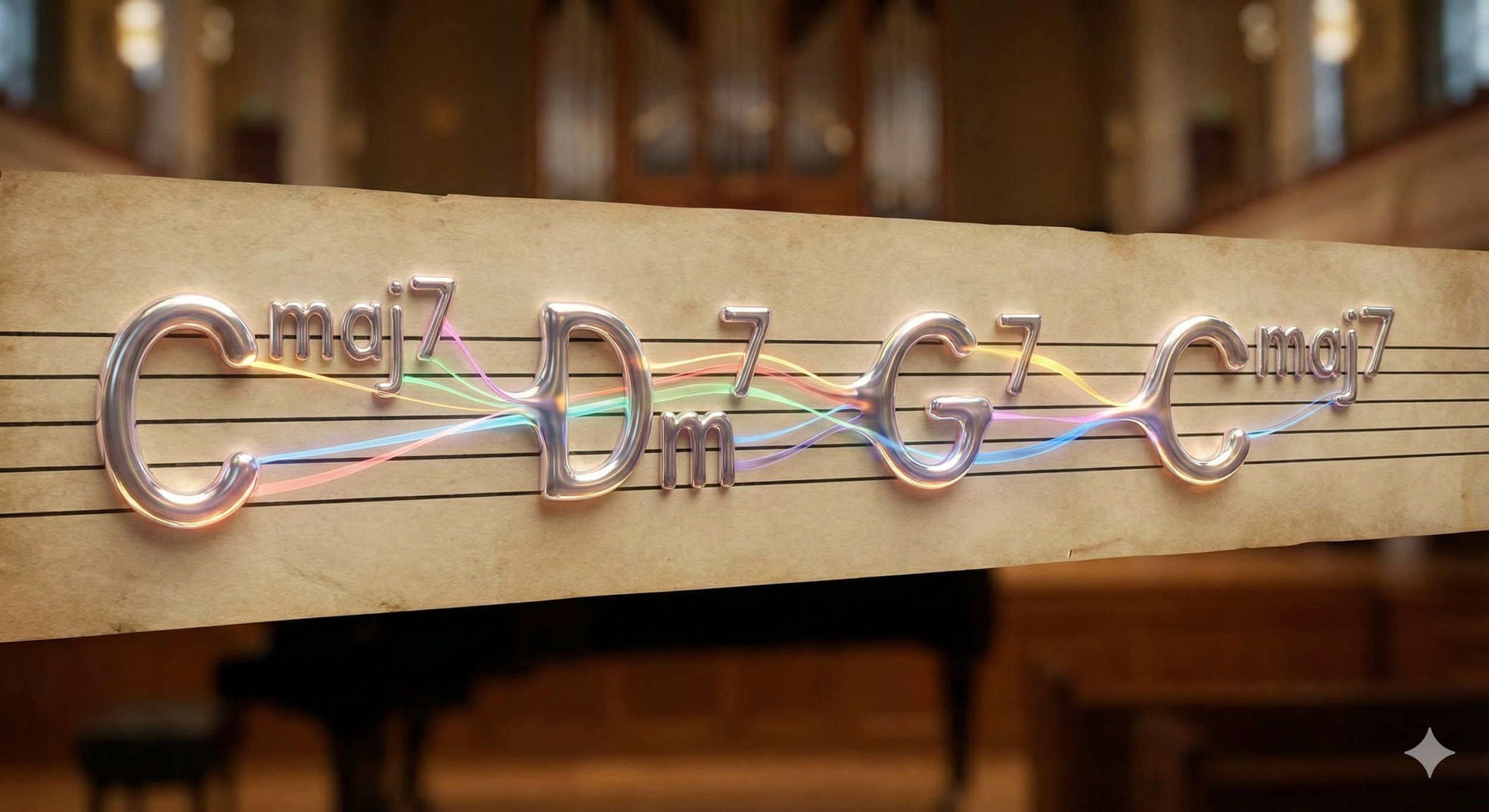
Thinking in Context: How to Name Upper Structure Chords
When playing an upper structure, is it the shell voicing or a new chord? Learn why functionality and voice leading matter more than names.
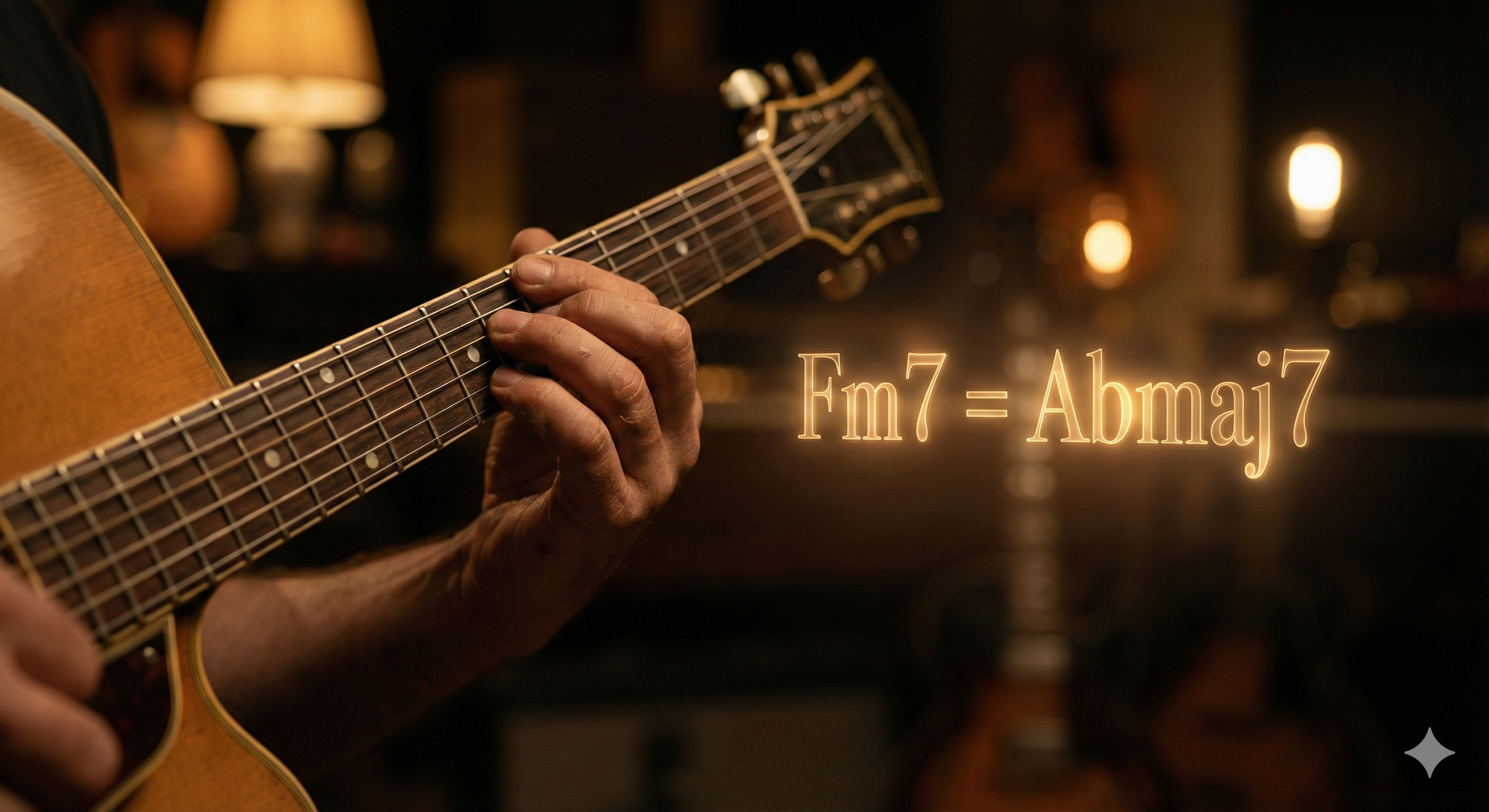
Decoding the "Wes Line": Upper Structures in Fly Me to the Moon
Beginners are often told to play root-based arpeggios, but this approach creates a mechanical, disconnected sound. The secret to that floating, professional jazz quality isn't playing the root—it's playing the Upper Structure. Discover how to transform a simple Fm7 into a lush Abmaj7 sound (the "Wes Line") and navigate the fretboard with the efficiency of a pro.

Connecting Thirds: Is It Okay to Use Bebop Vocabulary?
Does the 'connecting thirds' method mean you can't use famous licks? We discuss how to use vocabulary without losing the melody of the song.
Make an Impact Today
When you give, you invest in progress, compassion, and a better world for everyone.