
Finding Your Voice in the Shadow of Giants: Benson, Hall, and the Art of Copying
The Lineage of Legends
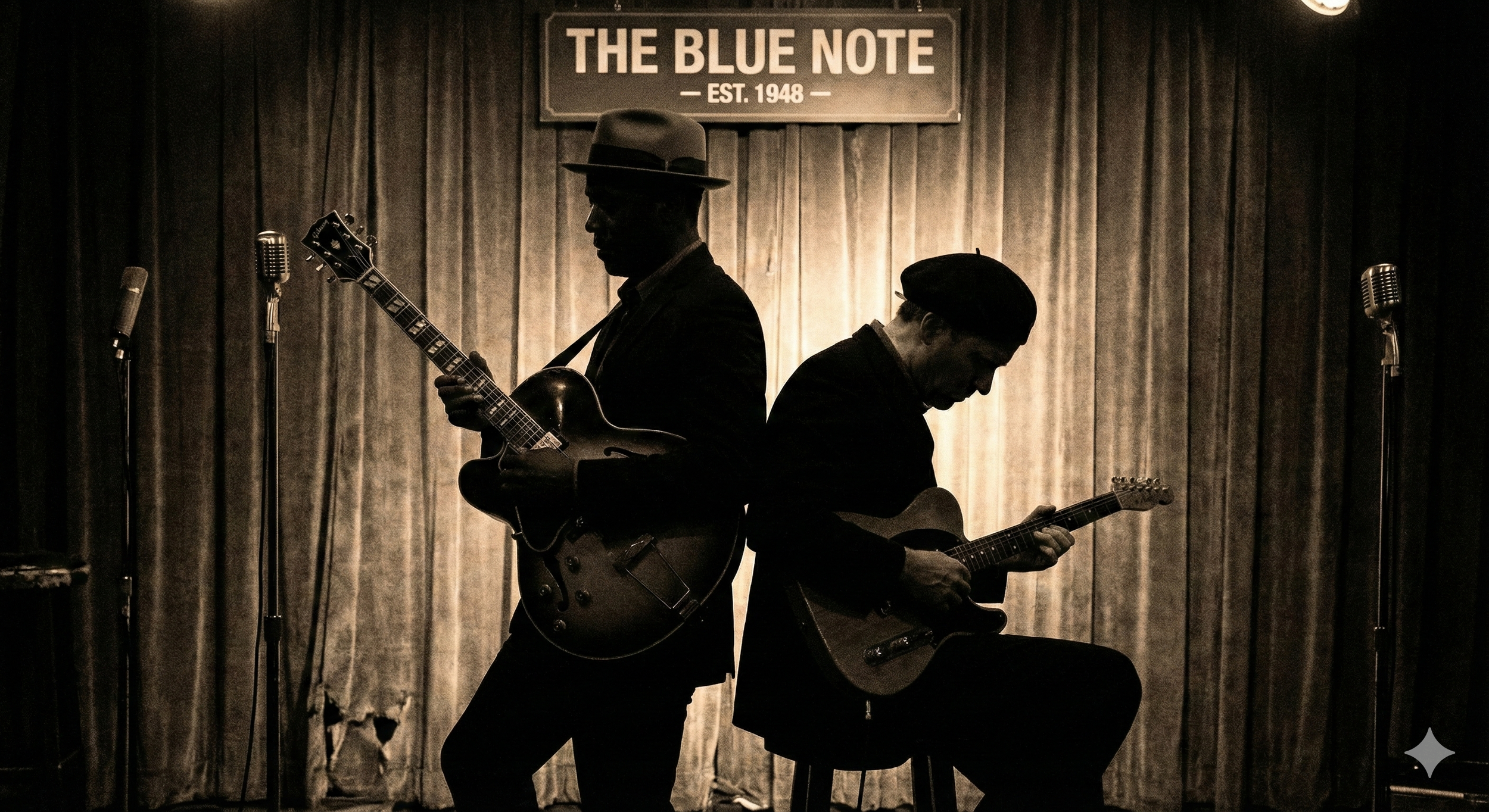
When we study jazz guitar, we aren't just learning notes; we are entering into a conversation that has spanned decades. On one side, we have the fiery, blues-drenched lineage of George Benson, tracing back to Wes Montgomery and Charlie Christian. On the other, the lyrical, harmonic depth of Jim Hall, influencing modern giants like Pat Metheny and Peter Bernstein. During the Q&A, I was asked about "modern progressive concepts." It made me reflect: Have we truly surpassed the masters like Benson? While young players today have incredible technique, few possess the distinct identity—the "School"—that Benson established. Even modern heroes like Lage Lund started by deeply absorbing these roots. To find your future voice, you must first understand the history.
If you want a structured way to apply this discipline, see How to Build a Jazz Guitar Practice Routine in 10-Minute Blocks.
The Philosophy of Copying
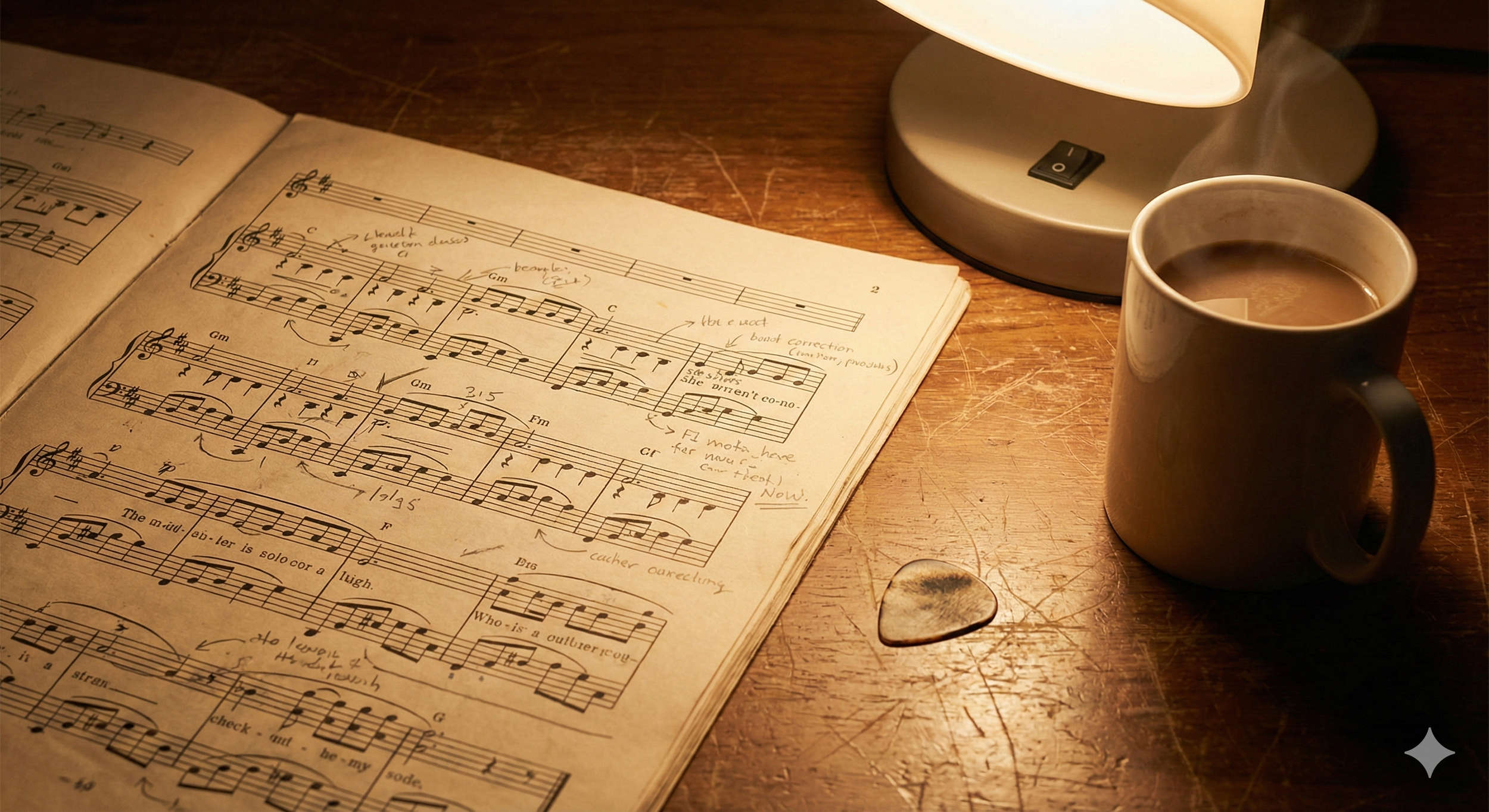
A common fear among students is that transcribing (copying) solos will kill their originality. The paradox of art is that you find your own voice only after trying to inhabit someone else’s. Consider this: George Benson took phrases from Wes Montgomery's James and Wes and No Blues and fused them to create his iconic lines in Billie's Bounce. He didn't just copy; he synthesized. Here involves a practical method for finding your identity through transcription:
1. Copy perfectly: Learn the master’s rhythm and note choices exactly.
2. Hybridize: Apply your rhythm to their notes. Then, apply their rhythm to your notes. This process forces you to internalize the vocabulary rather than just memorizing it. Mix the master’s DNA with your own. It’s like water flowing from high ground to low ground—the superior quality of the master’s phrasing will naturally fill the gaps in your playing, eventually becoming part of your own musical reflex.
If any of this resonates and you’re wondering where to start developing your own musical voice, Building Blocks is the entry point.
Play with Purpose
Whether you are a hobbyist or a pro, playing with "sincerity" means respecting this lineage. It’s not just about speed; it’s about depth. Peter Bernstein didn't just copy Jim Hall; he absorbed Hall's harmonic concept and built his own house upon it. This weekend, put down the metronome for a moment. Listen to The Bridge or Breezin'. Listen to the history. Let their passion refuel yours. Play like you mean it. For more inspiration and guidance, join us at VoiceLidJazzGuitar.com.