

Shell Voicings Jazz Guitar: The 11-Step Practice That Connects Voicings, Voice Leading, and Melody
Shell voicings are usually taught as 'root, 3rd, 7th — done.' That's the first percent. The real practice that turns shells into voice leading and chord-melody is an 11-step internalization process most players never encounter.

Jazz Guitar Improvisation Tips: Why the Original Melody Should Stay in Your Head While You Solo
If your improvisation drifts away from the song, you're not soloing — you're playing a different tune. The fix is to keep the original melody humming inside you while you play, and here's the exact mechanism that makes it work.

Hearing Harmonic Rhythm: How Dominant Function Drives the II–V–I
If you’ve been playing jazz guitar for a few years, you already know what a II–V–I progression looks like. You can name the chords, you can find them on the fretboard, you can probably improvise a passable line over them in a familiar key.

Guide Tones as Fretboard Stepping Stones in Jazz Guitar
Guide tones — the third and seventh of each chord — serve as stable landing points in jazz guitar improvisation, and mapping the diatonic notes that surround each guide tone is a productive way to expand vocabulary without losing harmonic clarity. This post explains what the Functional Diagonal Approach (FDA) requires before that mapping is reliable: the function of the chord must be identified first, because a minor chord functioning as the 2nd, 3rd, or 6th degree of the key will present a different set of surrounding diatonic notes even when the chord shape is identical.

Guide Tones and Voice Leading in Church Music With Triad Cycles on Guitar
In church music built on 1-4-5 progressions without seventh chords, guide tone voice leading does not directly apply. Triad cycles offer an equivalent structural framework that creates smooth, connected motion across the same changes. This post explains what Junewon Choi demonstrated at the April 4 VLJG Office Hour.

Voice Leading on Complex Tunes: How to Get Information from the Chord Melody
Voice leading is not just a theory concept — it is the practical foundation for building solos on complex jazz tunes like Stella by Starlight. This post explains the 12-step chord-melody process that extracts improvisation material directly from the tune itself.
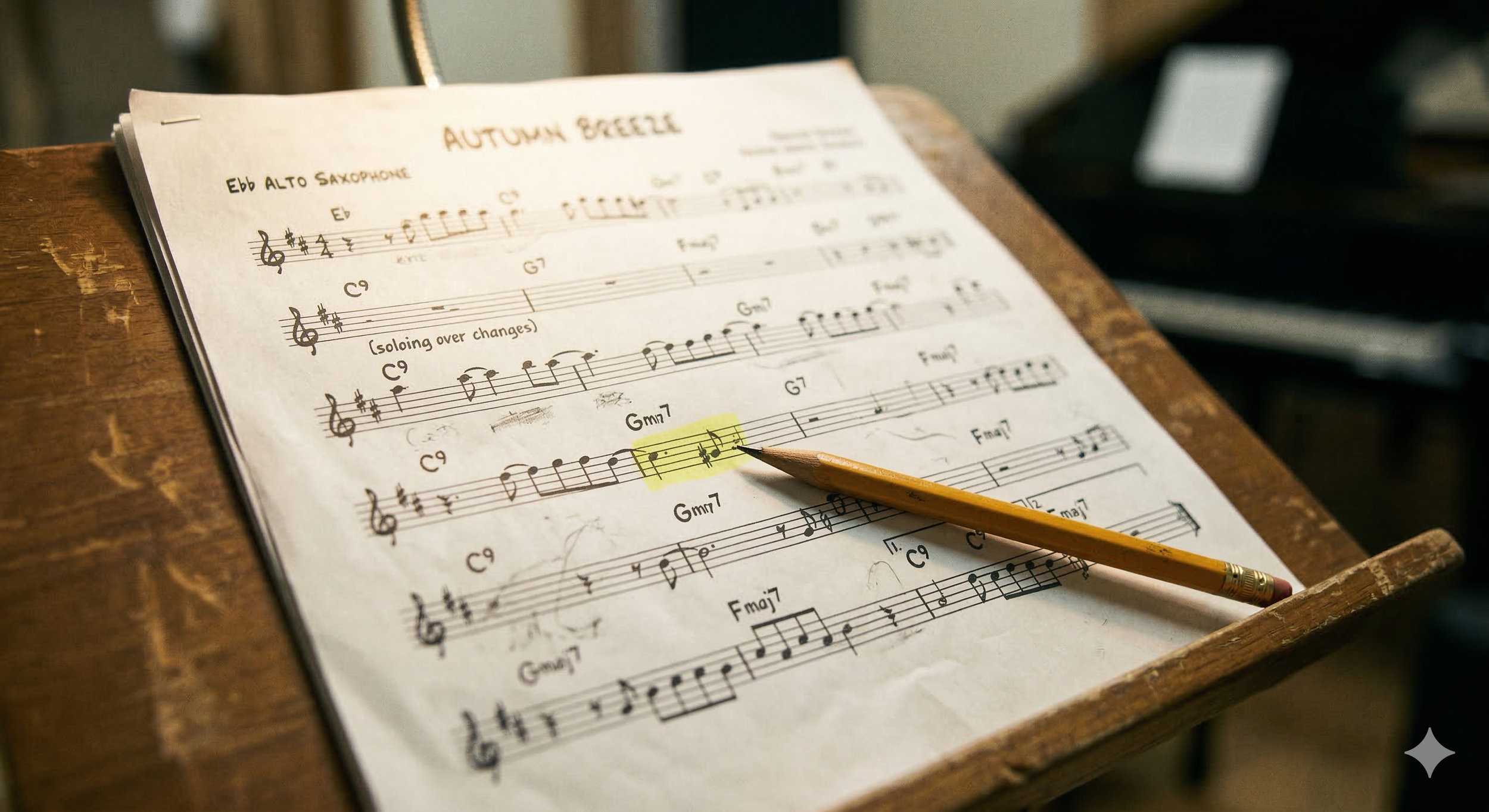
Mapping Tonic and Non-Tonic Movement in Standards
Guide tones provide a built-in roadmap for navigating complex key changes and turnaround sections. See how observing the movement of the fourth degree reveals whether a progression is resolving or building tension.
Turning Guide Tones and Upper Structures into Melodic Lines
Learn how to transform static guide tones into flowing melodic lines using upper structures. This lesson breaks down the exact fretboard logic used by Charlie Christian and Wes Montgomery.
Beyond Bebop: Why J.S. Bach is the Ultimate Jazz Teacher for Guitarists
From George Benson to modern players, the link between Baroque music and Jazz is undeniable. But it’s not just history—it’s practical application. Bach is the ultimate teacher of "Implied Harmony." Learn how studying his works can train you to make a single note carry the weight of an entire chord progression, turning your solo lines into a self-contained orchestra.
The Role of Singing and Chromaticism in Jazz Lines
Can you play chromatic lines that aren't strictly arpeggios? Yes, but only if you know where you are landing.
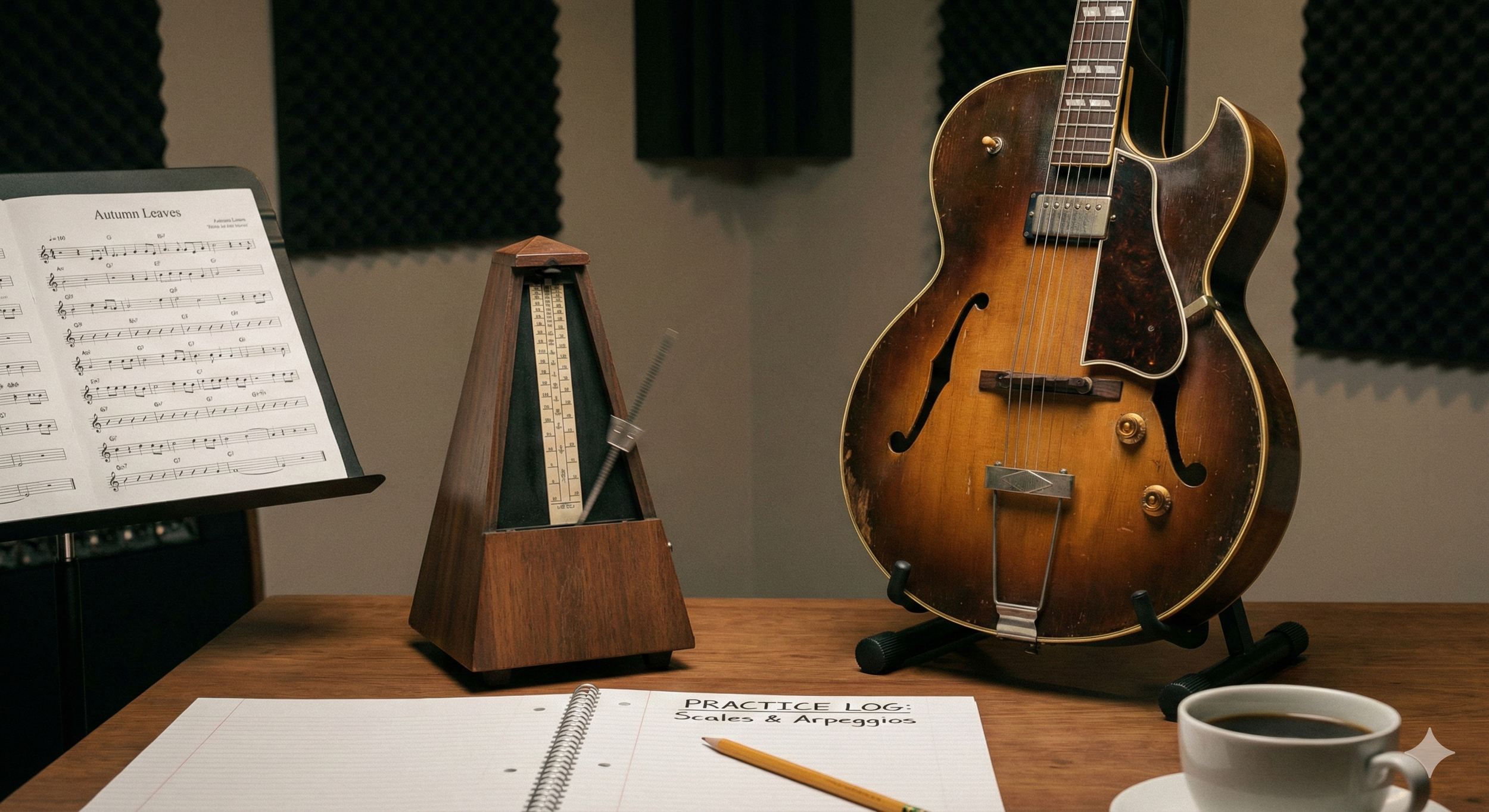
Stop Memorizing Dots: A Better Way to Practice Voice Leading
Avoid the memorizing fret trap. Learn why voice leading beats dot memorization and how to structure your daily practice.

Diagonal Shapes: The Difference Between Wes Lines and Django Lines
Why play diagonally? Learn how Tonic and Non-Tonic functions determine whether you play a Wes Line or a Django Line.

Escaping the Root Trap: The Art of Guide Tone Mapping for Beginners
Are your jazz chords sounding heavy and amateurish? You might be falling into the "Root Note Trap." Discover why leaving the low notes to the bassist and focusing on the structural power of 3rds and 7ths is the secret to a professional, breathing jazz sound.
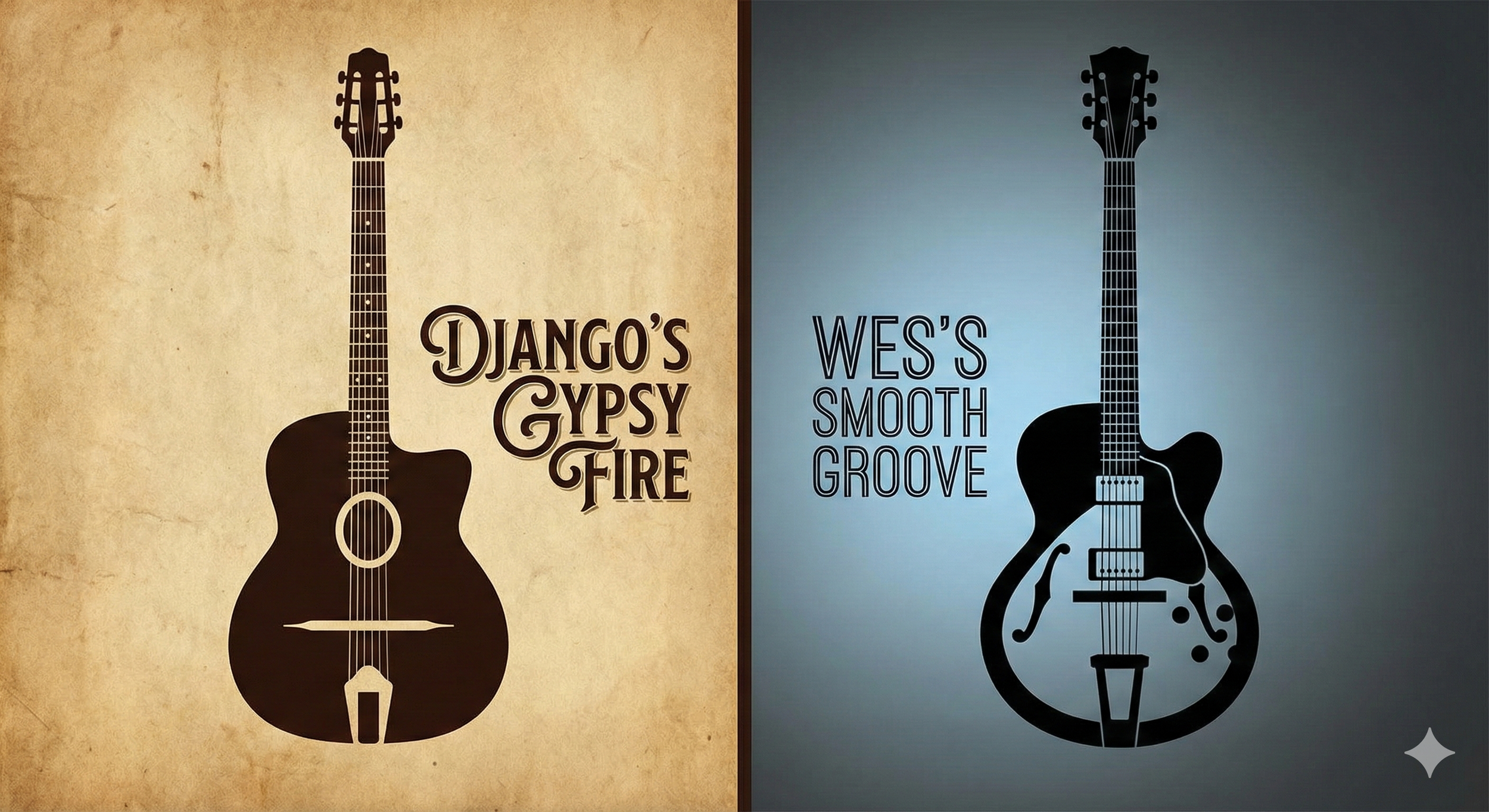
Django Line vs. Wes Line: Understanding the Difference
Ed asks if the Django Line and Wes Line are interchangeable. The answer lies in voice leading and understanding tonic vs. non-tonic function.

Is the IV Chord a New Tonic? Navigating the I to IV Change
When moving from the I chord to the IV chord, does the target become a new tonic? We explore secondary dominants and upper structures to make this transition smooth.

Stop Counting Bars: How Melody and Guide Tones Navigate the Changes
Panic strikes when you lose count of the bars. But pros don't count—they sing. Discover how to use Voice Leading and "Melody Authority" to navigate chord changes effortlessly, turning your solos from math equations into music.
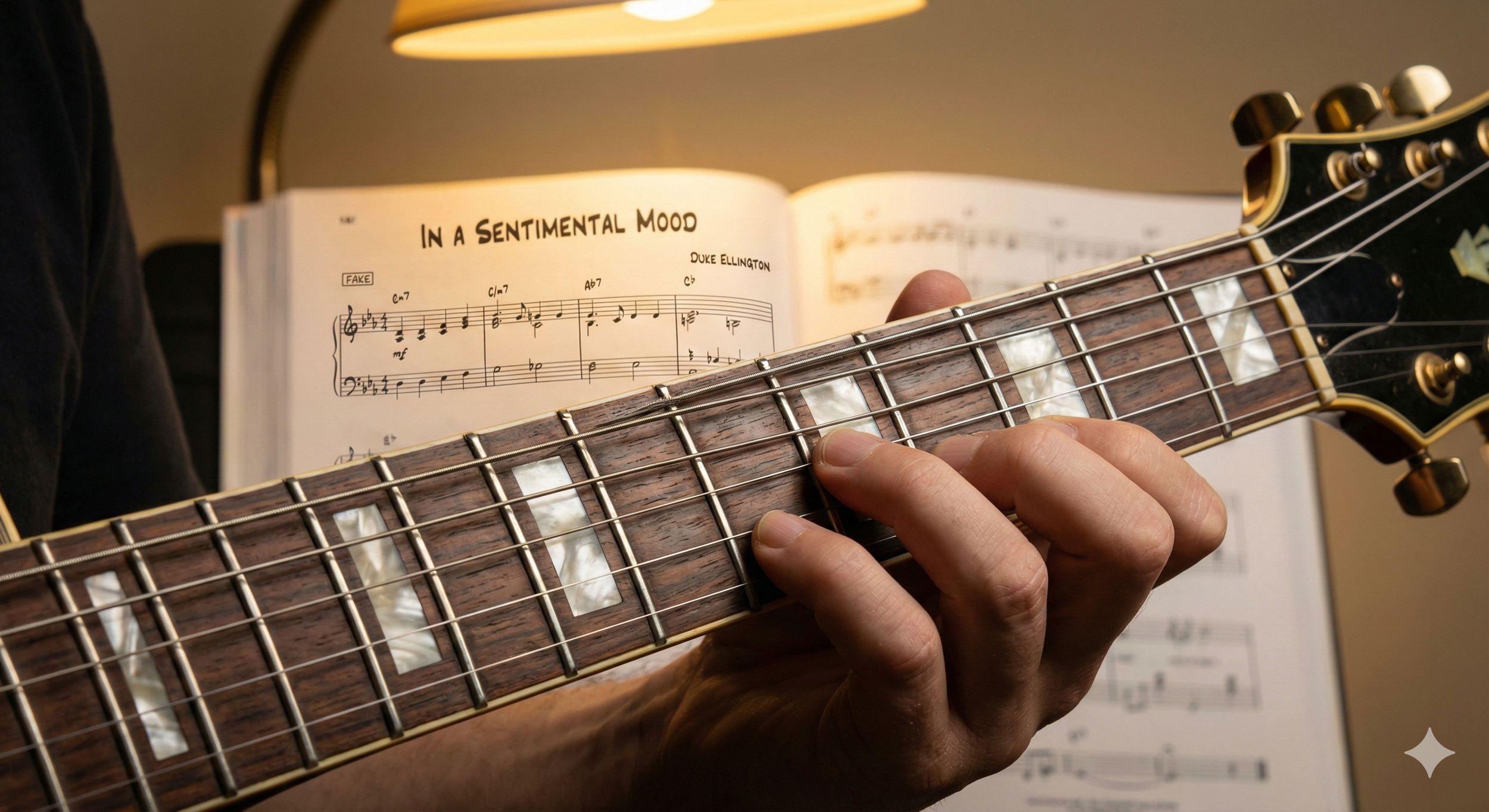
Beyond the Blues Scale: How to Structure Melodic Improvisation
Learn why playing the melody is more effective than relying on the blues scale for songs like 'In A Sentimental Mood'. Discover the three-step framework for developing your own phrasing.

Improvisation Myths: Why Chords Matter More Than Scales (feat. Fly Me to the Moon)
A common frustration among intermediate jazz guitarists is playing the "correct" scales but lacking authentic sound. The harsh truth: Improvisation is based on chords, not scales. Stop fighting the bassist for the root. Learn how to target the 3rds and 7ths to make your solos sing using the golden rule of functional harmony voice leading.

Revealing the Tritone in the Django Line
Where is the tritone hiding in a major 7th shape? See how moving just one note in the Django Line creates perfect dominant voice leading.
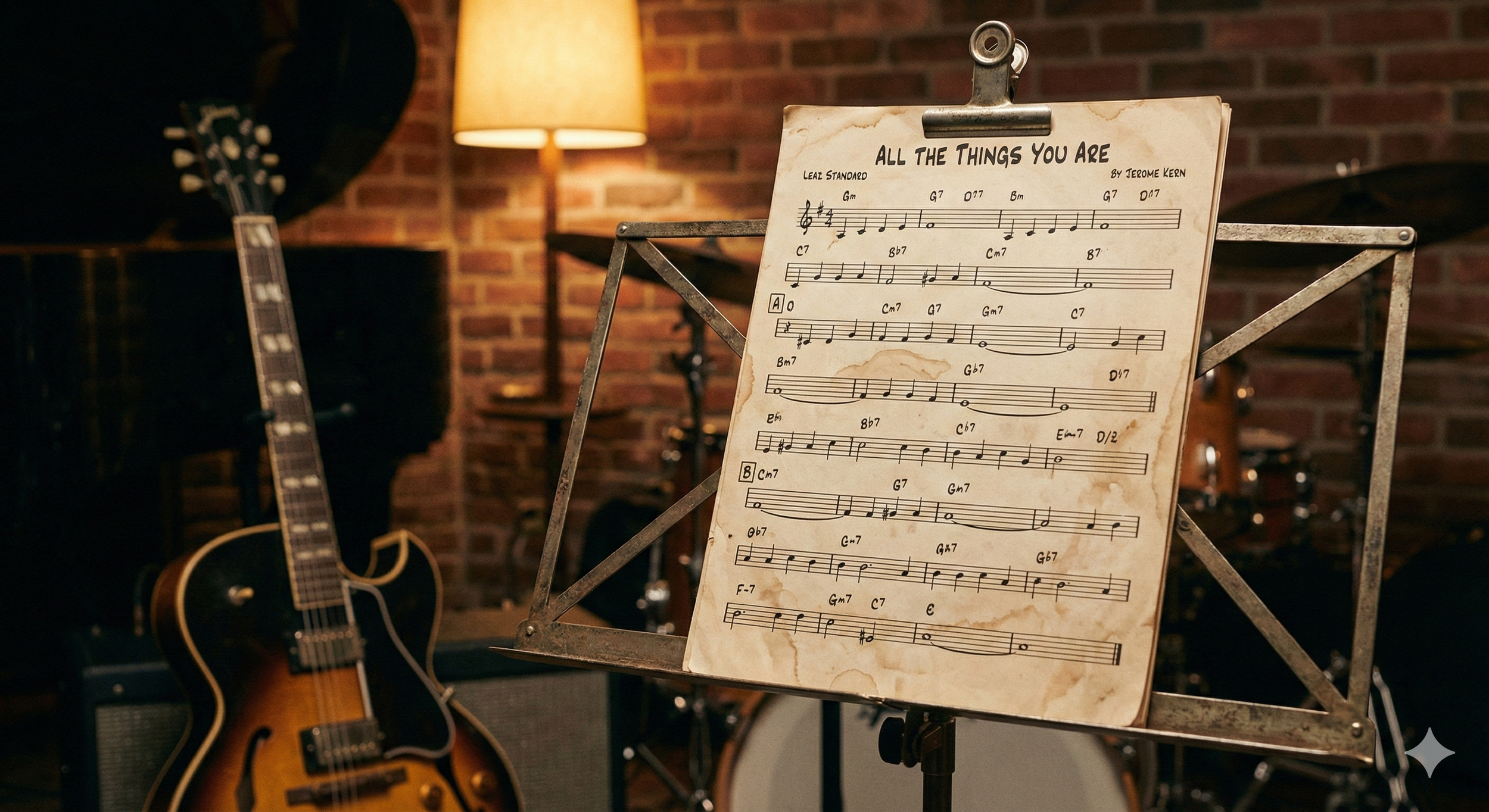
Applying Voice Leading Step-by-Step (Misty Example)
How do you apply voice leading to every tune you learn? We break down a section of 'Misty' to show how melody dictates your path.