
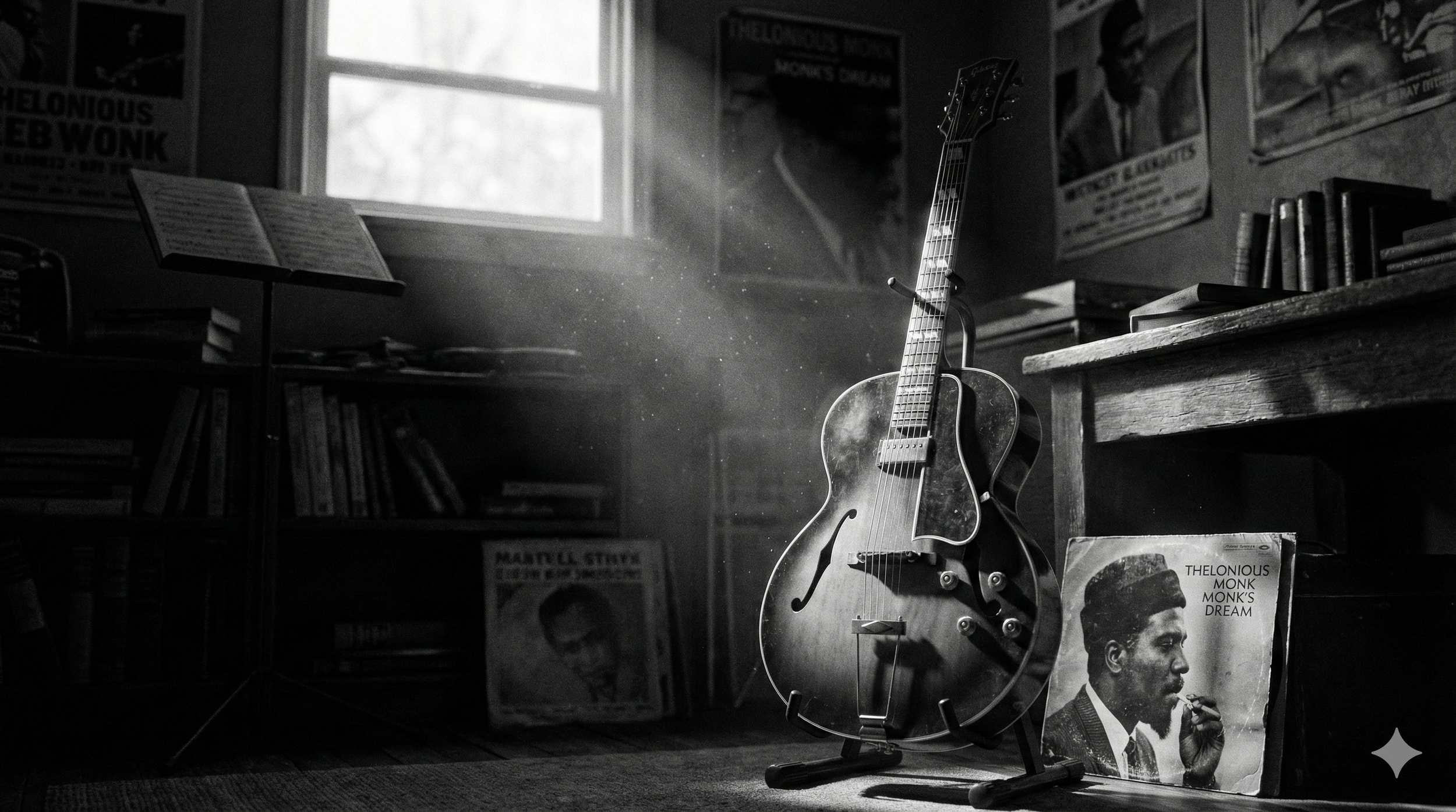
The Legacy of Monk & Duke: Why Finding Your Own Voice Matters More Than Technique
"Who is the most important figure in jazz?" My professor's answer surprised the whole class. We explore the genius of Duke Ellington and Thelonious Monk, and why true artistry is about intent, not just speed or technique.
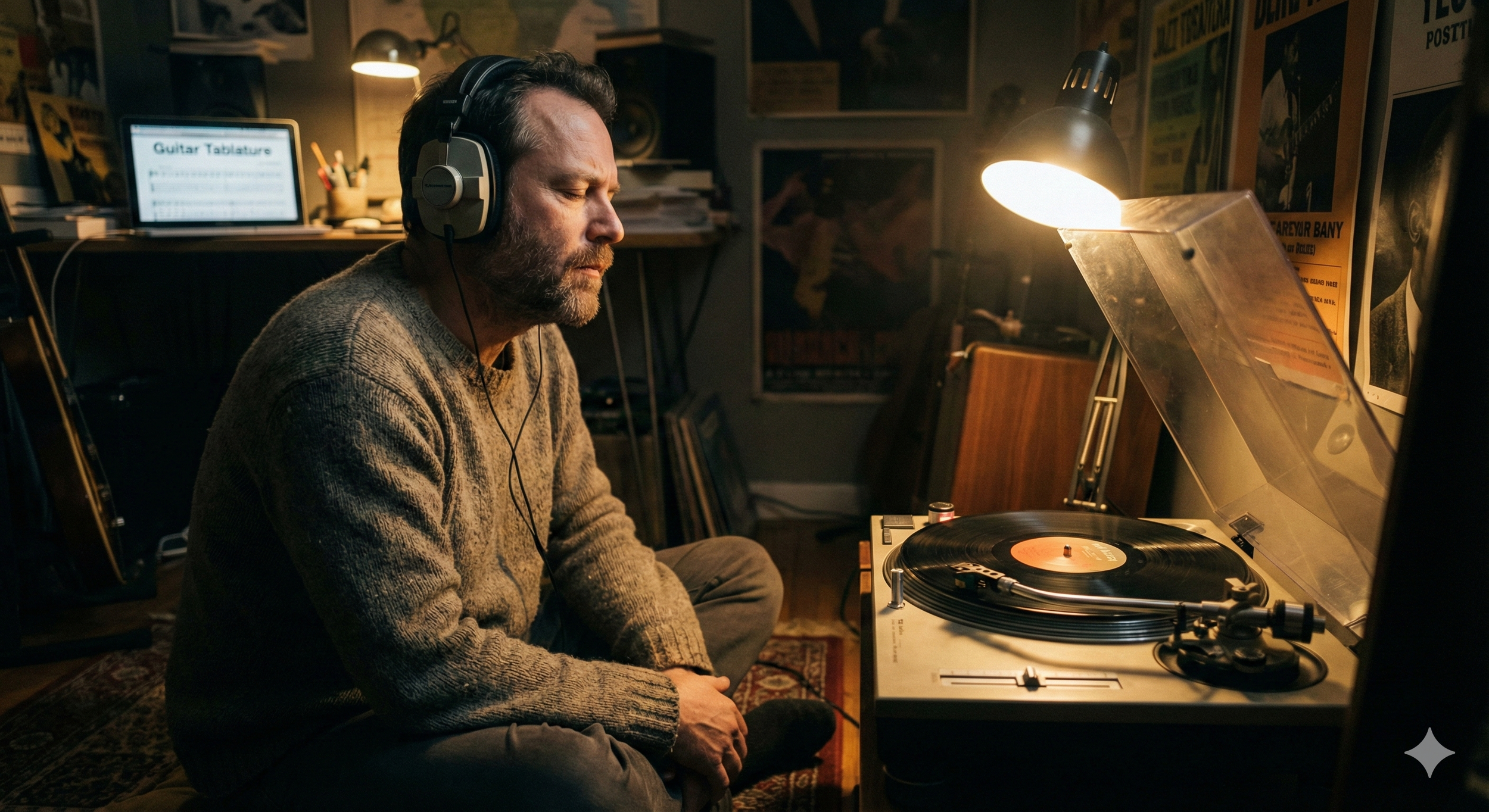
Can You Self-Teach Jazz? The Trap of Modern Convenience
"Is it possible to learn jazz on my own?" Yes, but modern convenience is a double-edged sword. Legends like George Benson didn't have YouTube; they had "survival mode" and their ears. Discover why closing your laptop and struggling with a record is the only way to truly master the language of jazz.
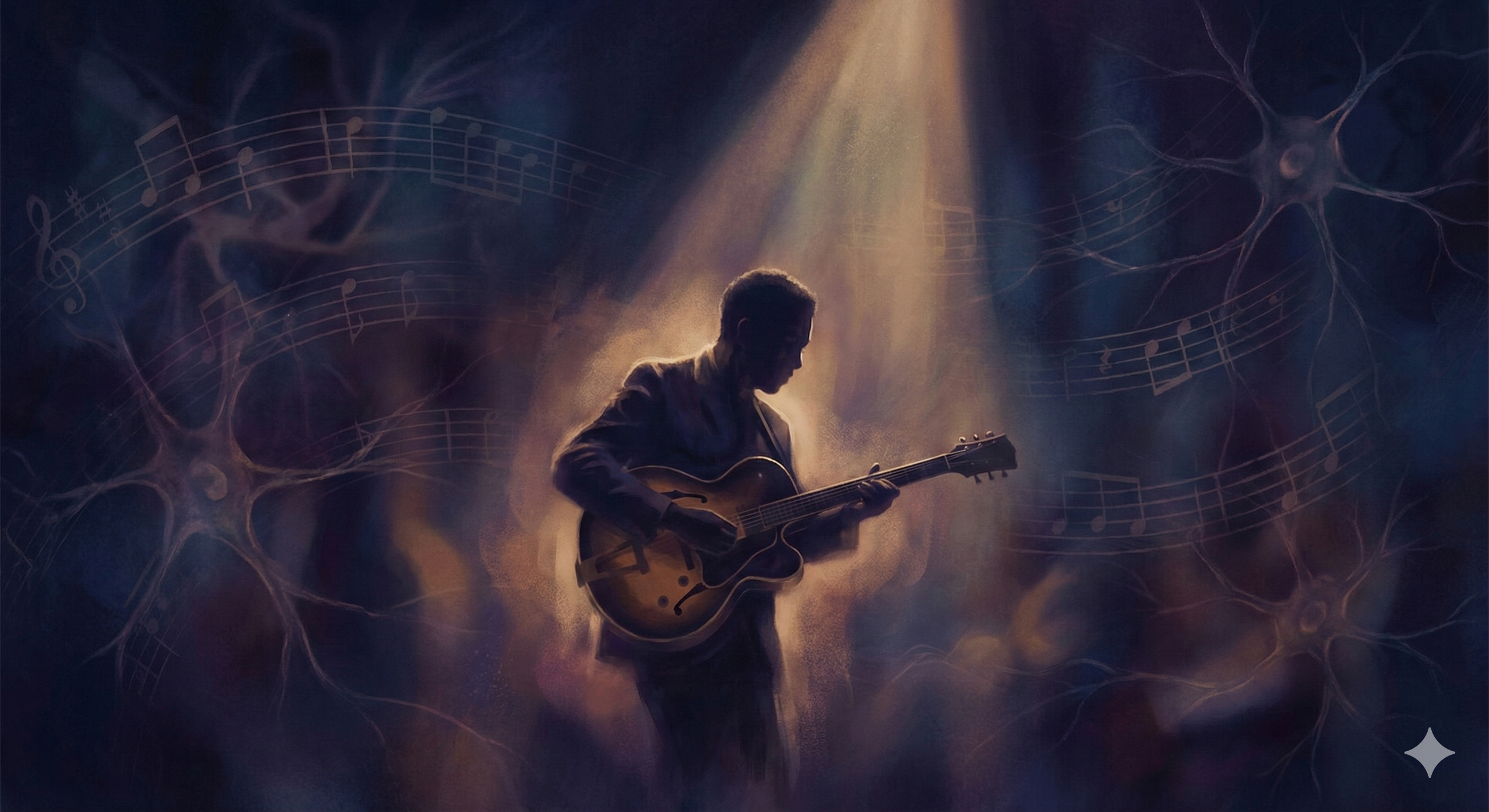
A Legend Reborn: What Pat Martino's Incredible Story Teaches Us About Music and Life
Pat Martino’s passing left the jazz world in deep mourning. His life—marked by unimaginable loss and miraculous rebirth—reminds us that music exists beyond memory, technique, and even identity. His journey embodies the resilience of the human spirit.
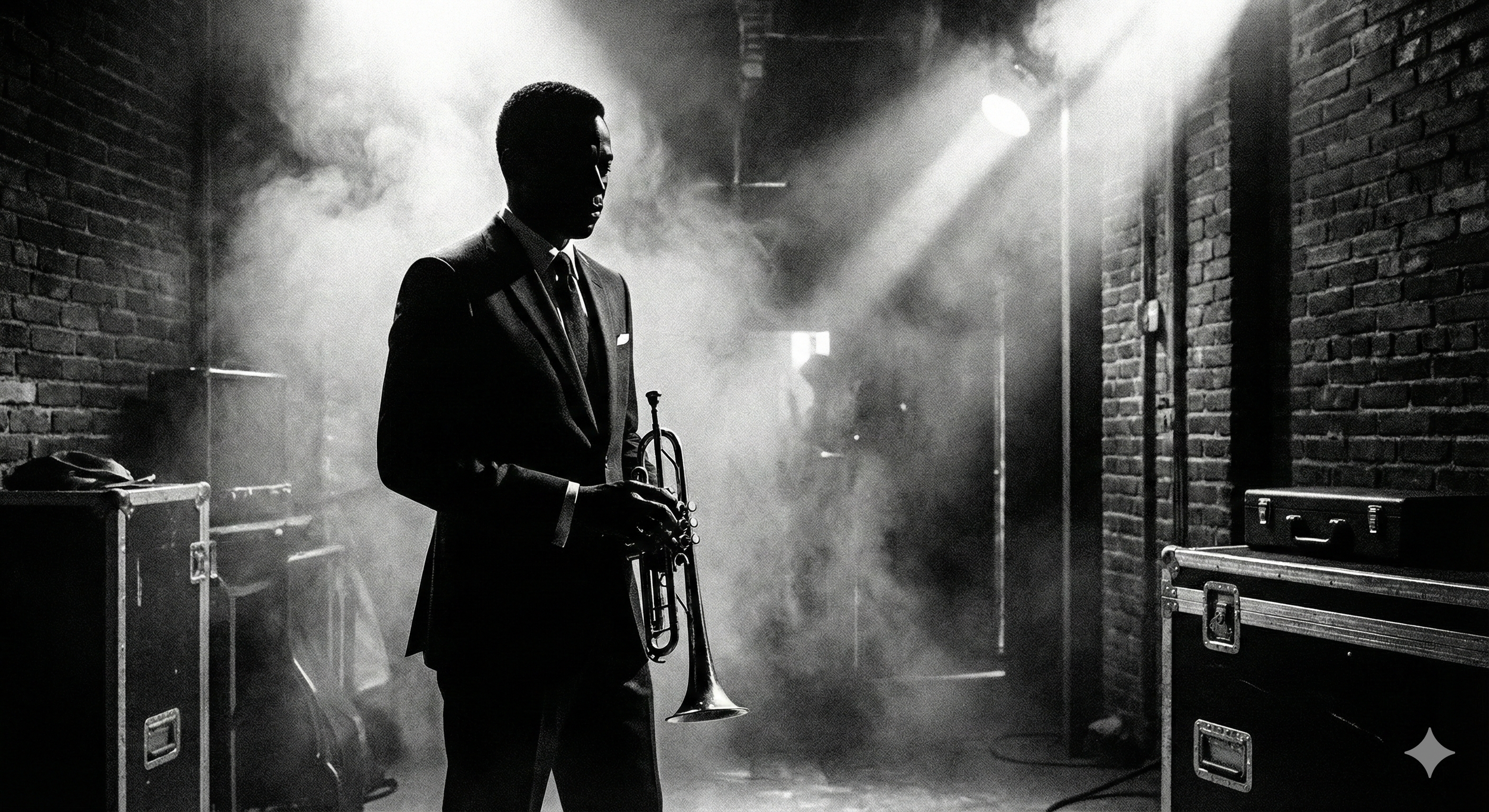
More Than a Dress Code: The Cultural History of the Jazz Musician's Suit
Why did jazz legends like Miles Davis, Coltrane, and Wes Montgomery always wear suits? Beyond fashion, the suit symbolized dignity, protest, diplomacy, and the elevation of jazz from club music to a global art form.
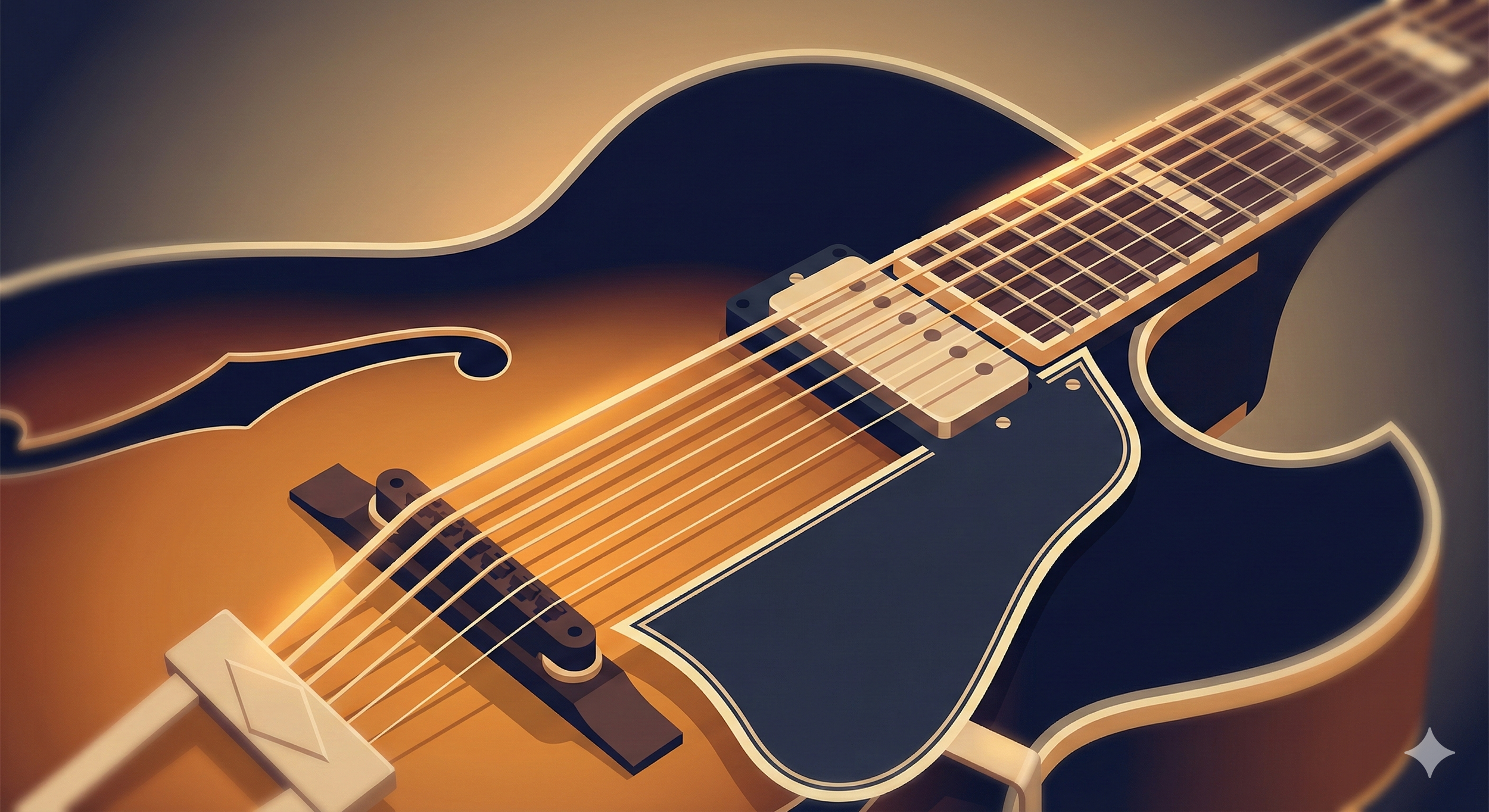
Unlocking the Authentic Jazz Tone: A Deep Dive into Flatwound Strings
Most players buy a hollowbody guitar expecting instant “jazz tone,” but the real secret lies not in the guitar—it's in the strings. Flatwound strings dramatically transform your sound, feel, and technique, unlocking the warm, mellow tone heard on classic jazz records.

The Secret to Melodic II–V–I Lines: Unlocking Guide-Tone Motion
Many players practice their II–V–I arpeggios but still sound disconnected. This post explains how guide-tone lines (3rds and 7ths) create smooth, musical phrasing and why learning their flow is the key to fluid jazz improvisation.

The Real Reason a Club Owner Hated Guitar Trios
During my time playing in South Korea, there was a jazz club owner who was notoriously hesitant to book one specific type of ensemble: the guitar trio. He confessed that guitar trios were bad for business, not due to lack of skill, but because they were failing at their most fundamental responsibility as performers.