Can You Self-Teach Jazz? The Trap of Modern Convenience
The Myth and Reality of the Self-Taught Musician
Is it possible to learn jazz on my own?" This is a frequent question. My answer is yes—but with a major caveat. Legends like Wes Montgomery and George Benson were self-taught, but their "self-teaching" happened in a context entirely different from our modern world. In this weekend reflection, I want to discuss the crucial difference between the "survival mode" learning of the past and the "convenience mode" of the present, and why we need to trust our ears more than our eyes.
If you want a structured way to apply this discipline, see How to Build a Jazz Guitar Practice Routine in 10-Minute Blocks.
Survival vs. Hobby: The Historical Context
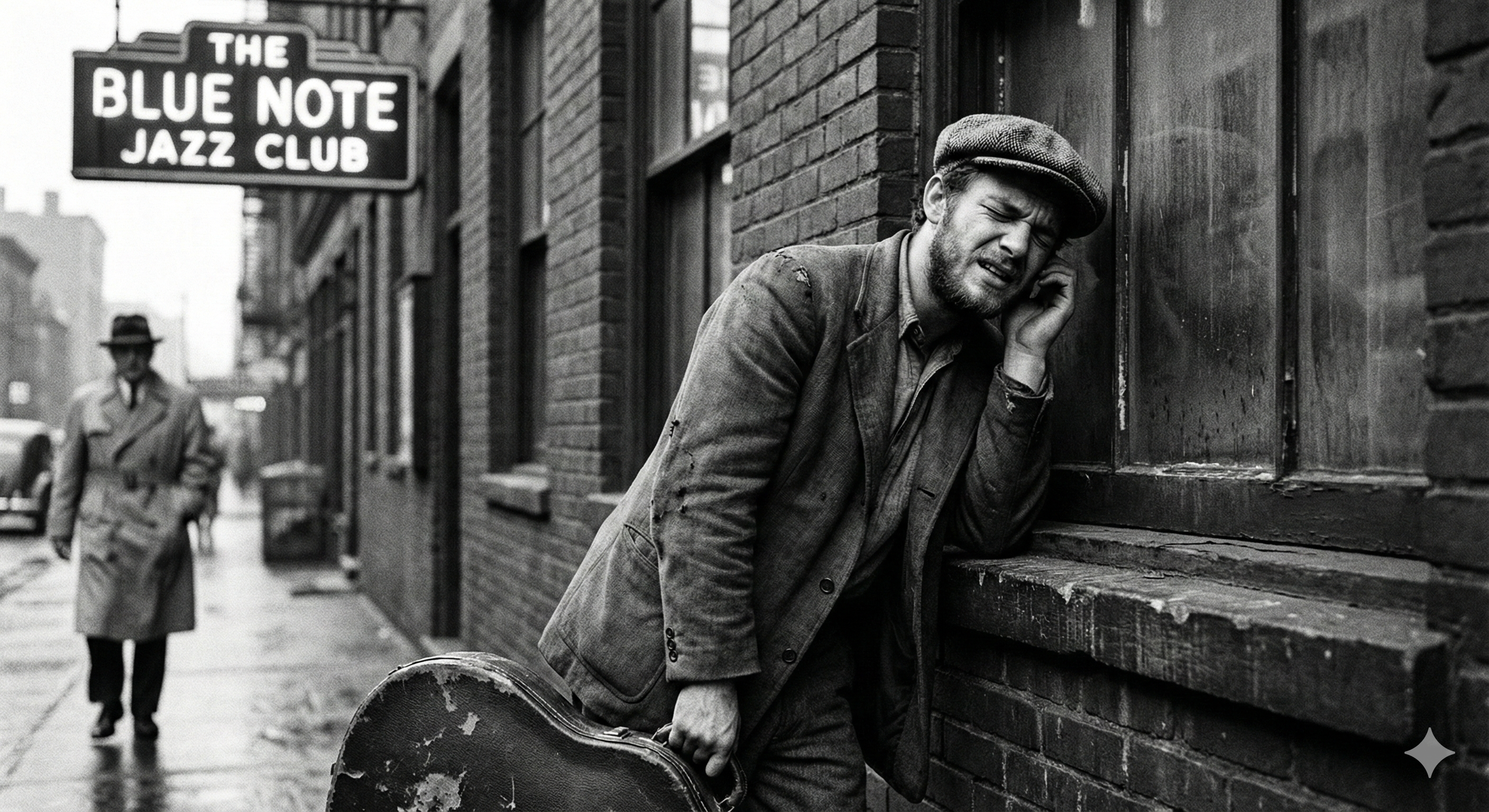
For musicians like George Benson or Wes Montgomery growing up in segregated America, jazz wasn't just a hobby; it was a ticket out of poverty. There is a story about George Benson getting hired by a band, only to be fired immediately because he didn't know the repertoire. Did he give up? No. He spent a week haunting jazz clubs, listening intently, and memorizing tunes by ear just to get his job back. For them, "self-taught" meant relying purely on their ears because there were no jazz schools, no YouTube tutorials, and no Tablature sites. Their keen hearing was developed out of sheer necessity and desperation.
The Danger of Convenience
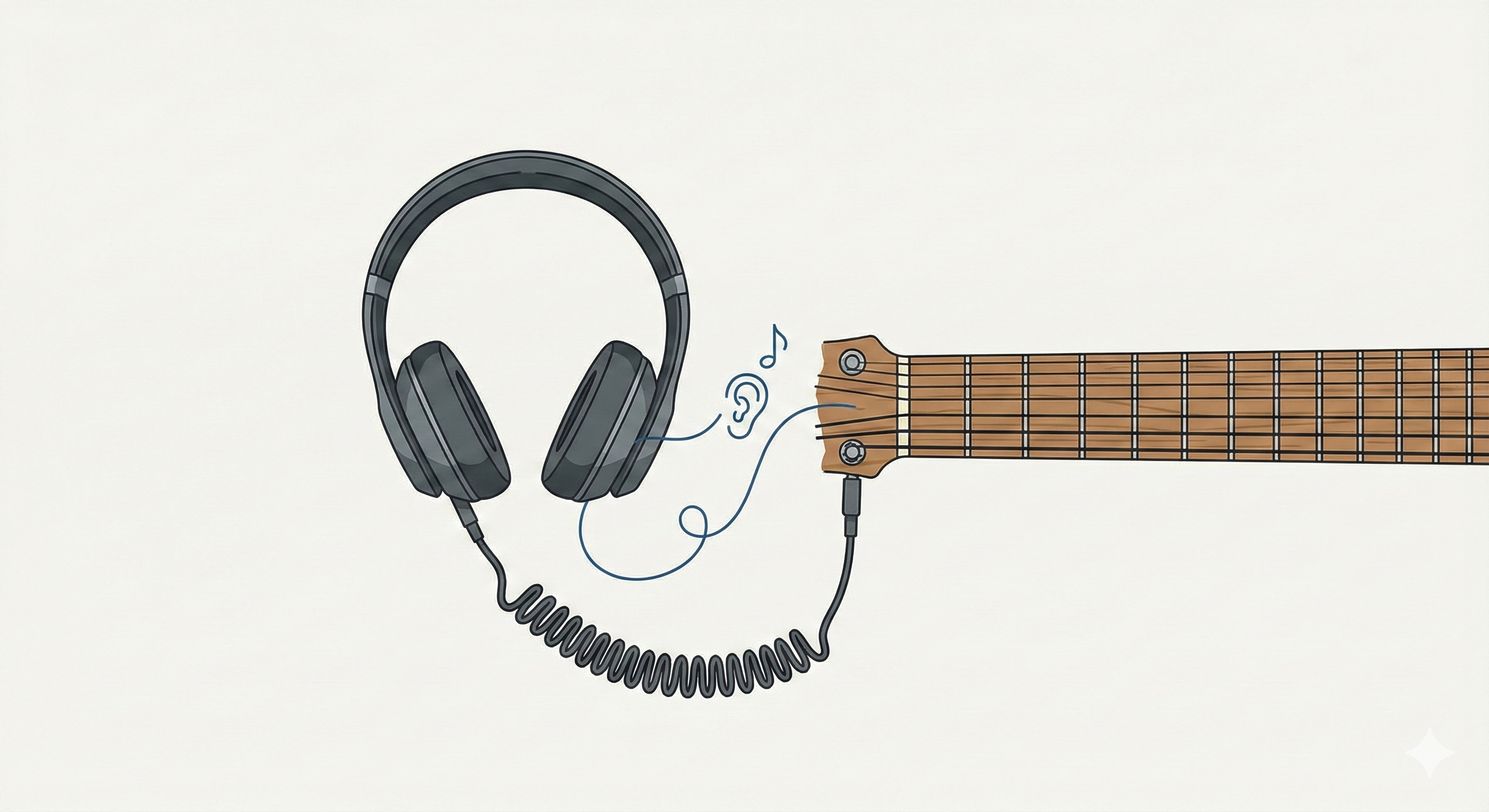
Today, we have infinite resources. You can find a tutorial for any song in seconds. Paradoxically, this abundance makes learning jazz harder. We have stopped listening and started watching. We rely on visual cues—tabs, fretboard diagrams, videos—rather than developing the aural connection to the instrument. Learning with your eyes bypasses the most critical skill in jazz: Ear Training. If you memorize a solo from a tab, you are typing on a keyboard; if you learn it by ear, you are speaking a language. Look at modern geniuses like Jacob Collier. He utilizes modern technology (DAWs, MIDI) to the fullest, but his foundation is an incredibly developed ear. He doesn't let technology replace his musicality; he uses it to amplify it.
Yes, you can teach yourself jazz. But to do so effectively in the 21st century, you must artificially recreate the "inconvenience" of the past. Close the laptop. Put away the tab. Listen to a record and struggle to find the notes on your fretboard. Embrace the frustration. That struggle is where the real learning happens. Trust your ears—they are the only teacher that matters.