
Ditch the Scales: Voicing-Centric Improvisation and Upper Structures
Escaping the Trap of Modal Over-Analysis
One of the most persistent and damaging myths in jazz guitar education is the reliance on modes and degrees as the primary tool for improvisation. For decades, players have been taught to meticulously calculate: "Play Mixolydian over this chord, switch to Altered here, and aim for the flat third of the Dorian mode there." While this analytical approach might look impressive on paper, it completely paralyzes spontaneity in a live setting.
Even in advanced academic environments, an overemphasis on vertical scale block pedagogy persists. However, if you study the raw, deeply swinging approach of the true jazz greats in New York, you'll realize they were not performing real-time musical calculus. They didn't view the fretboard as a grid of disconnected modes. Instead, they relied on a remarkably intuitive, visual method: functional voicing connections. To elevate your playing to a truly advanced level, you must abandon the illusion that knowing more scales makes you a better improviser.
Improvising Through Upper Structure Voicings
When examining the diverse stylistic lineages of jazz guitar—contrasting the rapid, alternate-picking linear style of Pat Martino with the soulful, rhythmic fire of George Benson and Wes Montgomery—the philosophical differences become stark. The Wes/Benson lineage is built intensely around "voicing targeting."
In real-time improvisation, the focus is never on calculating whether a note is a sharpened eleventh or flat ninth. It is entirely about visualizing the current chord shape and looking ahead to the destination voicing. The key to unlocking modern, complex sounds without getting bogged down in modal theory is the concept of Upper Structure Triads.
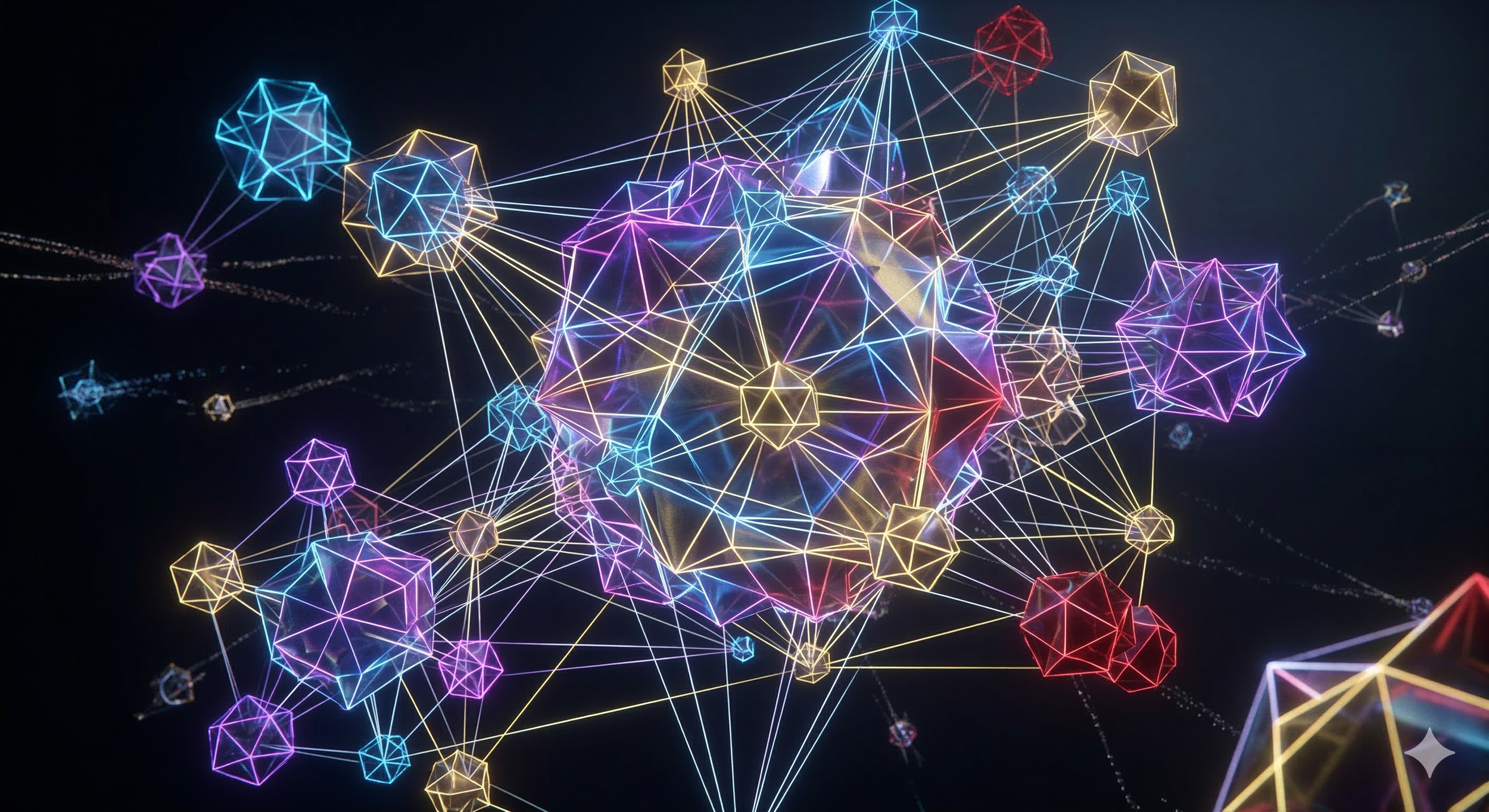
Rather than thinking, "I will play a C Lydian scale over this Cmaj7," an advanced player visualizes a D major or B minor triad superimposed over that underlying Cmaj7 shell. You are essentially seeing smaller chord shapes nested inside bigger ones. When your improvisation stems from connecting these visual harmonic "blocks"—creating tension and release by moving from one voicing into the next—your melodic lines automatically gain purposeful direction. You are no longer playing isolated notes; you are shifting entire blocks of harmonic color.

Complexity Born from Intuition
There is nothing inherently wrong with understanding the intellectual theory behind modes. However, when the band counts off and the groove hits, thinking about scales is simply too slow. True harmonic depth is achieved when you let your eyes and ears ride the flow of connected chord voicings. If you are ready to dismantle your scale blocks and learn to navigate the fretboard through upper structures and voicing-centric pathways, explore the advanced insights waiting for you at VoiceLidJazzGuitar YouTube Channel.