

Jazz Guitar Upper Structures: How Inner Urge Reveals the Hidden Drop 2 Map
Joe Henderson's Inner Urge looks complex, but every chord is a Drop 2 upper-structure voicing in disguise. Decoding the map turns the tune into one of the easiest in the modern jazz canon.
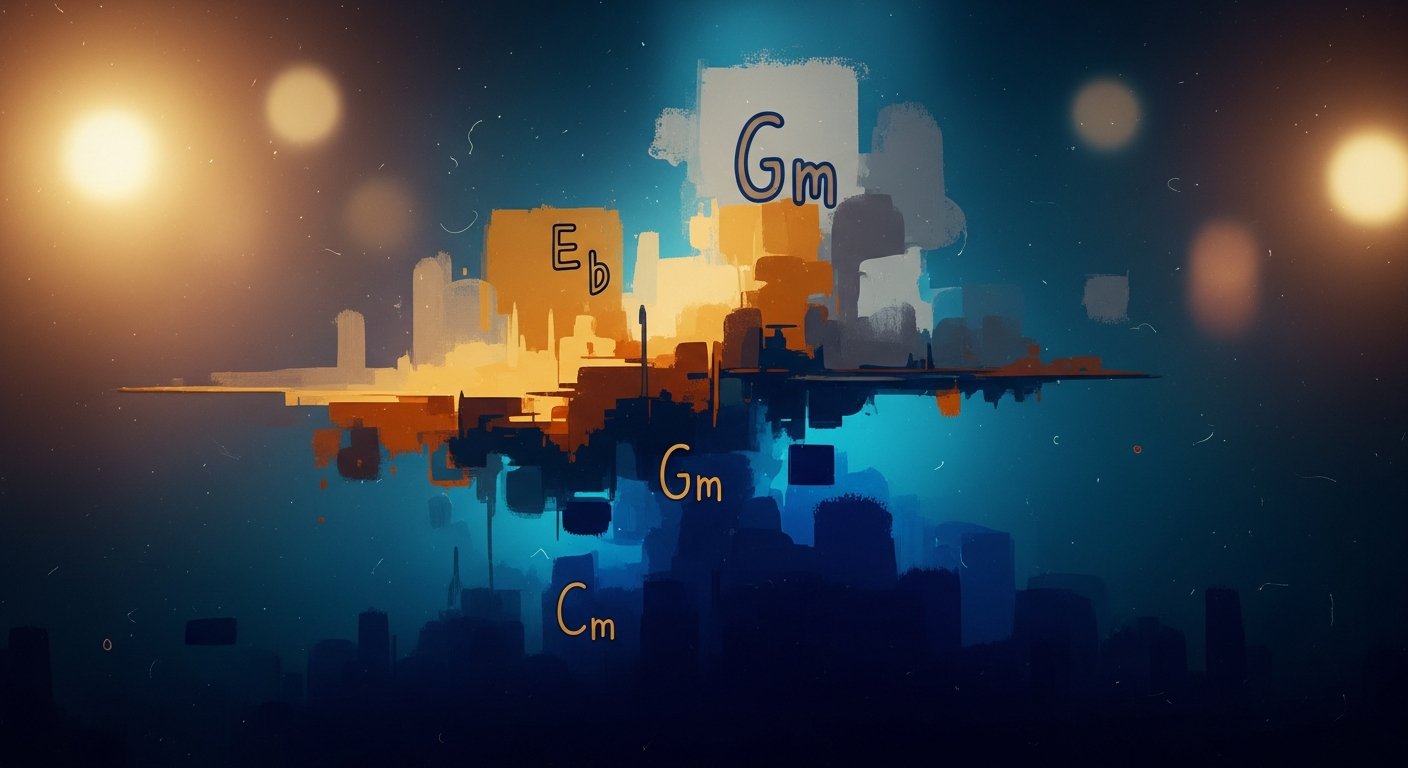
Upper Structure Triads: Stacking Eb and Gm Over Cm in Blue Bossa
There’s a moment in every advanced jazz guitarist’s development when a single chord stops looking like a single chord. A Cm7 is no longer just C–Eb–G–Bb on a page.

Decoding the Wes Montgomery Sound: Upper Structure Triads meets Drop 2 Voicings
Ready to move beyond basic diatonic boxes? Discover the "Chord over Chord" logic used by legends like Wes Montgomery. We break down how to use Upper Structure Triads and Drop 2 voicings to turn simple shapes into rich, complex textures.

Unlocking 'The Girl from Ipanema': Upper Structure Triads & Superimposition
To advance as a jazz guitarist, you must break the habit of chasing roots. In complex tunes like The Girl from Ipanema, the key to fluid soloing isn't a new scale—it's Superimposition. Discover how to float simple "Upper Structure Triads" over complex chords to create that sophisticated, modern jazz sound without over-thinking.

Deconstructing Harmony: A Functional Analysis of 'Blue Bossa' with Upper-Structure Triads
Upper-structure triads let you create rich, modern sounds over simple chords. By reinterpreting Cm7–Fm7 or Dm7b5–G7–Cm through superstructures, the fretboard becomes a logical map of colors, not isolated shapes. This post breaks down Blue Bossa using real functional UST flow.
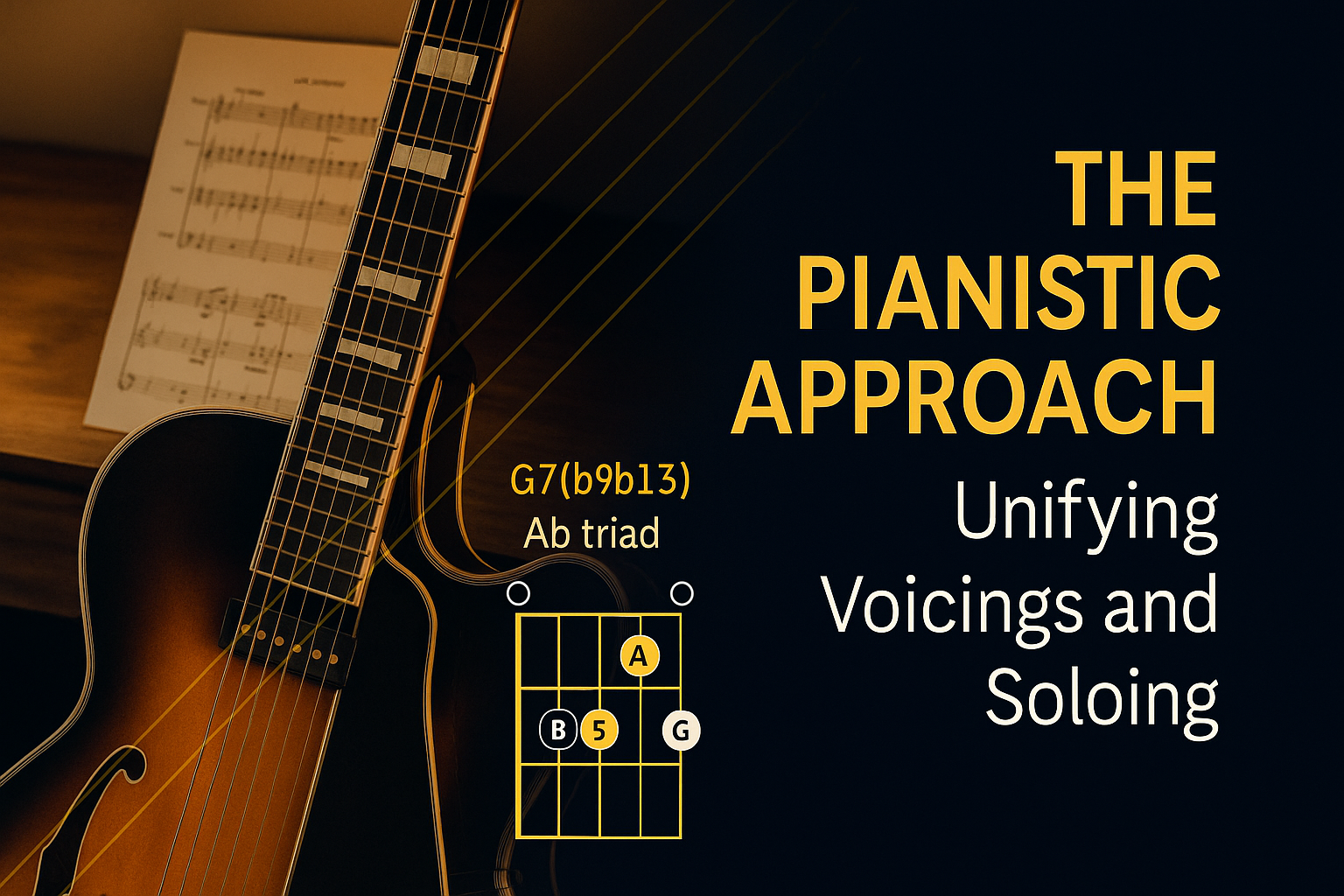
Beyond Chord-Tone Soloing: A Pianistic Approach to Jazz Guitar Improvisation
Most guitarists learn to “outline chord tones” — a method borrowed from monophonic instruments. But jazz guitar is polyphonic. By thinking like a pianist, we can merge voicing and improvisation into one language. This article explores how four-part harmony, voice leading, and upper-structure triads can transform your playing forever.
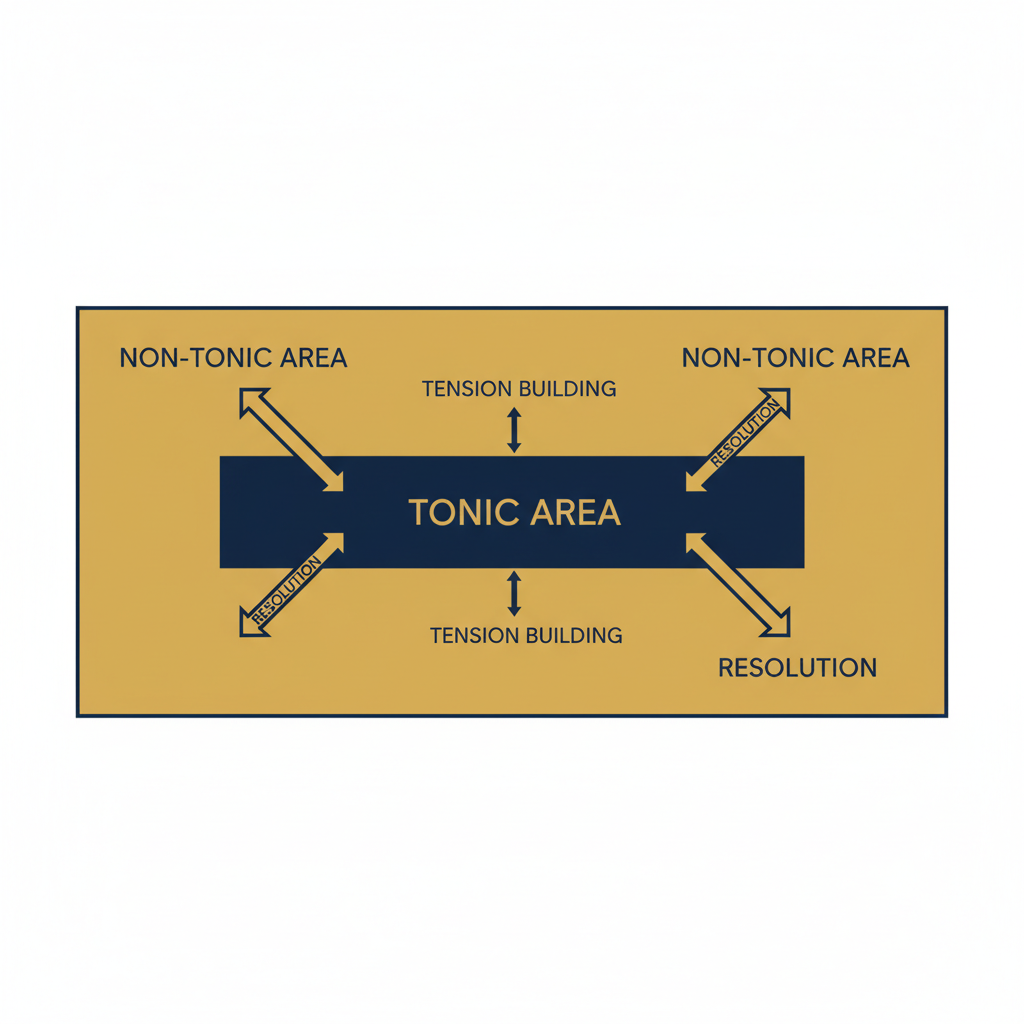
Deconstructing John Scofield's Outside Lines: Chromatic Displacement & Functional Resolution
The 'outside' playing of a master like John Scofield is often misunderstood. It's not a random spray of dissonant notes but rather an artful and calculated act of 'Chromatic Displacement' followed by a 'Functional Resolution.' This advanced concept goes beyond simply shifting a scale up a half-step; it involves temporarily moving an entire harmonic structure into a non-tonic space before flawlessly returning it to the gravitational pull of the tonic center.