
How to Play Like Wes Montgomery — A Beginner's Guide to Thumb Picking
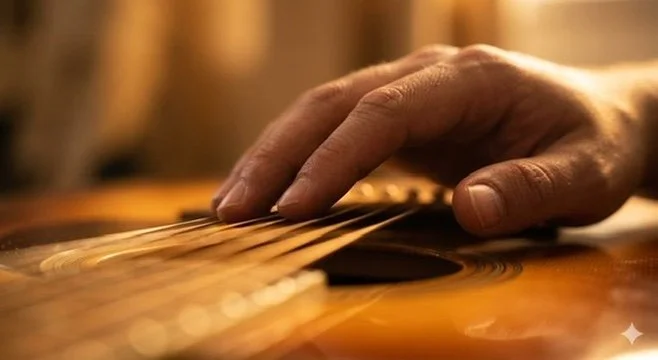
If you've spent any time exploring jazz guitar, you've almost certainly heard the name Wes Montgomery — and been told, sooner or later, "Try to play like Wes." But for most beginners, that instruction raises an immediate question: what does that actually mean? No pick, no conventional finger-style — just a thumb?
Today, we're going to break down the fundamentals of Wes Montgomery's thumb picking technique, focusing on the one concept beginners absolutely must understand first: the rest stroke.
Why Did Wes Use His Thumb?
Interestingly, Wes Montgomery didn't choose the thumb because it sounded better — at least not at first. After getting married, he was strapped for cash but stretched his budget to buy a guitar and amplifier. Playing late at night, he couldn't afford to wake his family. So instead of using a pick, he switched to his thumb to soften the sound.
What began as a practical workaround became one of the most distinctive voices in jazz history. That's the beautiful irony of constraint: it forced Wes into a sound that no one else had — and that everyone else wanted.
The Rest Stroke: The Heart of Thumb Picking
When people first try thumb picking, they make the mistake of simply plucking the string with their thumb — pulling it away from the guitar the way you might strum a banjo. This is not the Wes sound.
The rest stroke (sometimes called apoyando) works differently. After your thumb strikes a string, instead of lifting away into the air, it comes to rest on the next string below. That momentary contact — that "landing" — creates a fuller, warmer, more grounded tone. It's the difference between a ping and a thud. Wes wanted the thud.

Hand position matters enormously here. Think of your four fingers as a support structure — a small "wall" that stabilizes your hand while the thumb does the work. The angle of your wrist determines the angle of thumb attack, and getting that right is the difference between a comfortable rest stroke and one that strains your hand.
Down Strokes Come First — Always
One of the most common beginner mistakes in thumb picking is rushing toward up-strokes. Don't. In Wes-style playing, down strokes are the foundation, and up-strokes are used sparingly, only at specific moments in a phrase where the natural flow calls for them.
Think of it this way: in the classic basketball film analogy, the right hand shoots — the left hand just supports. In thumb picking, the down stroke shoots. The up stroke just supports. Master the down stroke, and two things happen: your phrases become cleaner, and your swing feel gets deeper.
This is because consistent down strokes naturally lock into the pulse in a way that alternating strokes don't. When your body repeats the same motion on every beat, it internalizes the rhythm. That's where groove comes from — not from thinking about rhythm, but from becoming it.
Start Slow. Rebuild Everything.
Here's an honest truth: when you first seriously commit to thumb picking, you'll have to relearn every phrase you already know. Take a melody you're comfortable with, and play it at half speed with only your thumb, thinking consciously about every stroke direction. It feels painstaking. It is painstaking. But this is exactly the work that builds lasting technique.
Remember: even Wes started from scratch. He didn't start playing guitar already knowing how — he built it note by note, night by night, while the rest of his family slept. The constraint that shaped his art can shape yours, too.
If you're brand new to guitar, there's no rule that says you have to start with a pick. Thumb picking from day one is entirely valid — Wes did exactly that. Just commit to learning the rest stroke properly, and let the down stroke become second nature before you introduce anything else.
For more lessons on jazz guitar technique, visit VoiceLidJazzGuitar.com.
Now that you have the technique, here’s the fretboard logic underneath it — How Wes Montgomery Actually Read the Fretboard