
Jazz Guitar Chords for Beginners: Do You Need to Memorize Every Chord and Tension?
You don't need to memorize every jazz chord and tension to start. Learn one connected system — shell voicings on a ii-V-I, then the guide tones inside them — and reuse it on every tune you play.
How Do You Learn Jazz Guitar Without Relying on Tabs? Connect Every Shape to Your Ear
Tabs aren't the problem — playing a shape your ear has never heard is. Here's how to keep the shortcut that makes guitar easy while making sure every shape you play is connected to a sound you can actually hear.
Why Do Jazz Guitar Teachers Make You Play Only Down-Picking First?
Down-picking only, for months or even years, is not old-fashioned discipline for its own sake — it is how you build one consistent attack before you ever add a second direction. Here is why jazz guitar teachers withhold up-picking, and how Wes Montgomery's own technique proves the same point.
How to Unlock the Fretboard for Jazz Guitar Improvisation (Without Scale Boxes)
The most effective way to unlock the fretboard for jazz improvisation is not more scale positions — it’s one diagonal two-octave shape that covers the whole neck and works as both tonic and non-tonic. A free online jazz guitar lesson.
Is There a Secret Method in Private Jazz Guitar Lessons? No — The Path Is the Same, the Coaching Isn’t
Private jazz guitar lessons don't hand you a secret curriculum — the path is the same one in any good course. What a teacher adds is diagnosis: pointing at the one thing you should fix this week.
Why Don’t Jazz Guitar Licks Make You Sound Like a Jazz Player? Because Tunes Have Melodies
A lick is a chord progression with no melody attached, and that is exactly why it never sounds like jazz. Learn tunes melody-first instead, and the notes you choose start having a reason.
Is Swing Just a Shuffle? No — Here’s How to Feel Two Against Three
Swing is not the dotted-triplet shuffle written in most method books. Swing is two and three felt at the same time. Learn the clap exercise that builds it and the records to listen to.
Do You Start a Jazz Phrase on Beat One? No — You Land There
Beat one is where a jazz phrase lands, not where it starts. Aim at the 3rd of the coming chord, arrive on it, then travel toward the 7th and set up the next 3rd.
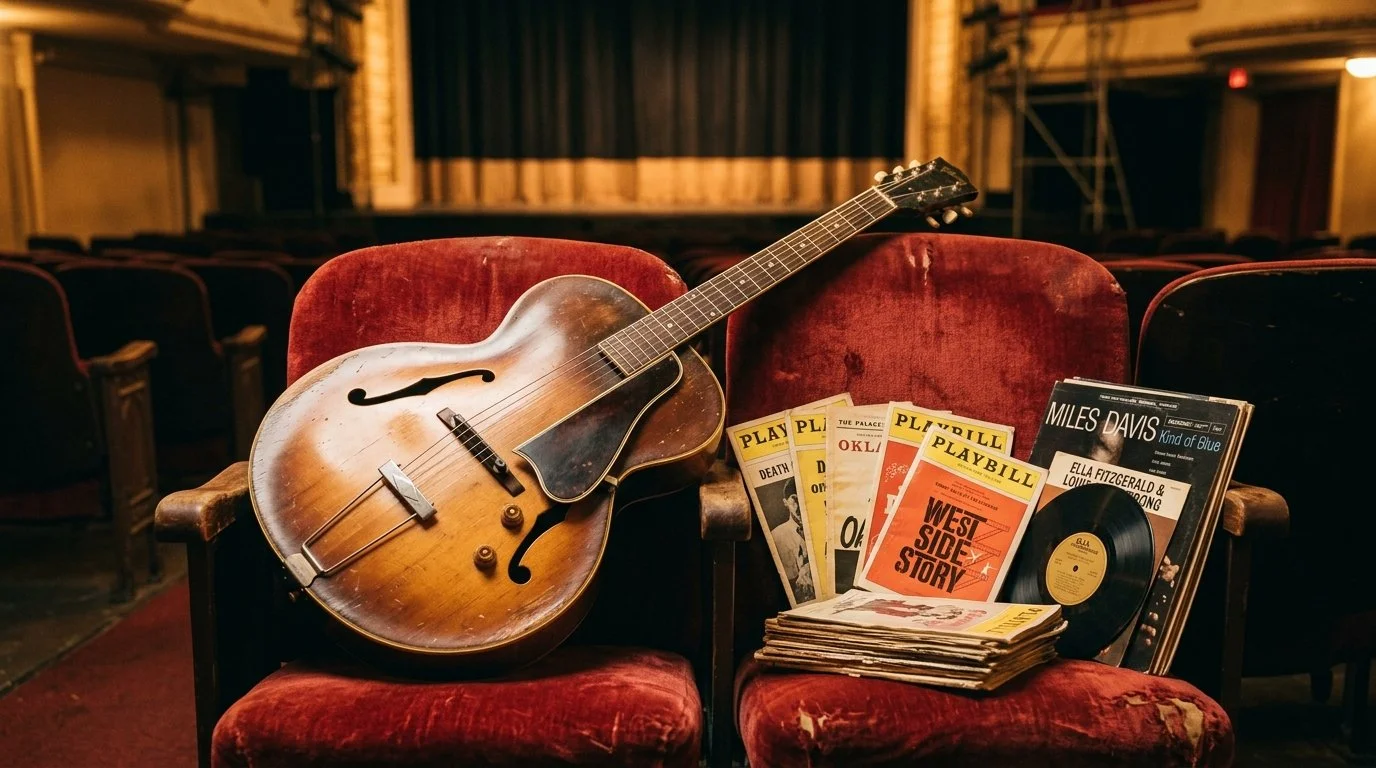
What Is a Jazz Standard? The Two Kinds of Tunes Every Jazz Guitarist Plays
A jazz standard is a tune the whole jazz community agrees to know. Standards split into two families: show tunes borrowed from movies and Broadway that carry lyrics, and jazz standards written as instrumentals by jazz musicians themselves. Knowing the difference tells you where the repertoire came from — and what to learn first.
Jazz Chords Have Four Notes When the Chords You Already Know Have Three?Why Do Ja
Jazz chords have four notes because jazz inherited the seventh chord from classical music and then built on it. The three-note chords you already play are triads, and the barre shapes you already know are drop 2 voicings — you are closer to jazz harmony than you think.
Why Don’t Jazz Guitarists Play the Root of the Chord?
Jazz guitarists leave the root out because the bass player already has it. The 3rd and the 7th are what actually make a chord sound like itself — learn those two notes first, and every richer voicing you want later grows out of them.
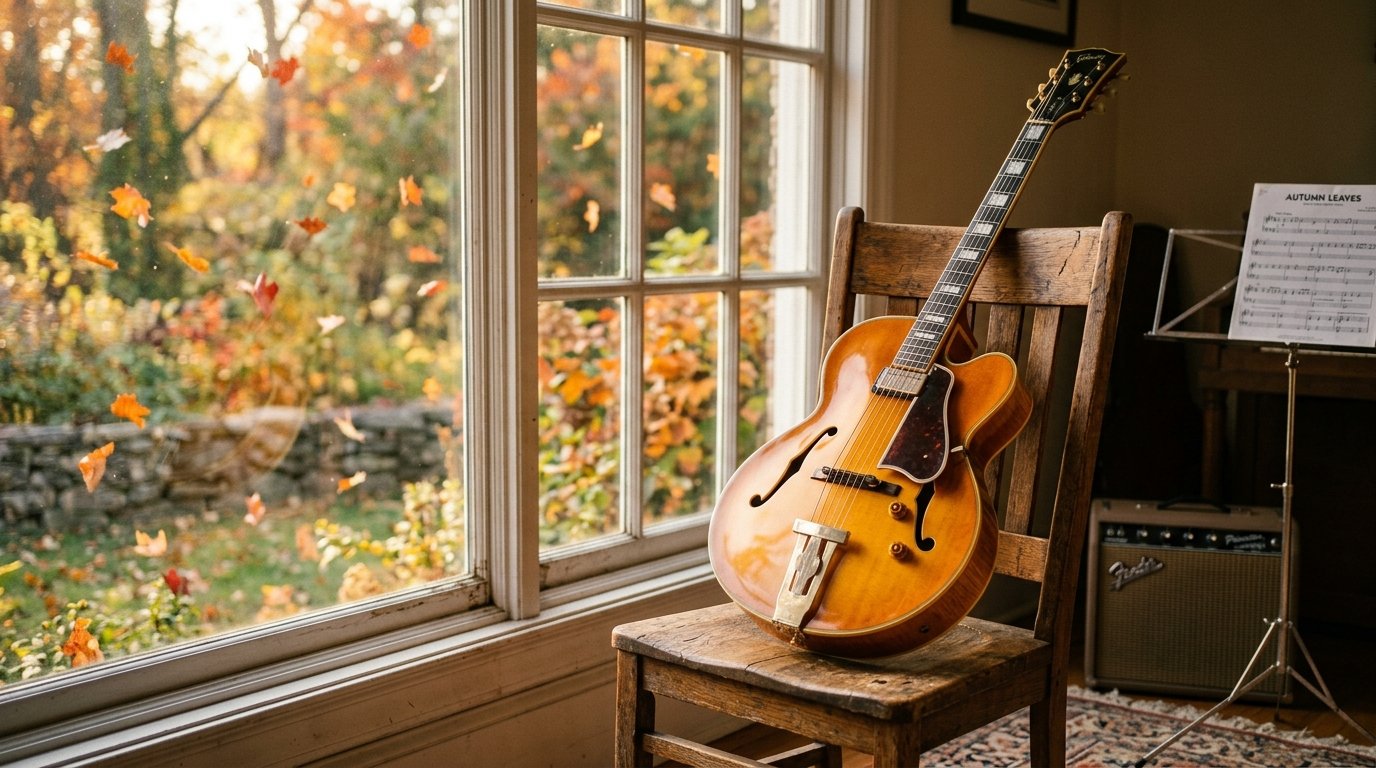
What Key Do You Solo In on Autumn Leaves? Neither — Follow the Melody
Autumn Leaves is analyzed in C major, but you don't solo from a key center — not C major, not A minor. You solo from the melody and the guide tones, the way the composer wrote the tune.
t Notes Do You Play in a Jazz Solo? The Melody Already Drew the MapWha
The strongest notes in a jazz solo are the 3rds of each chord — and in most standards the melody already lands on them. Learn the framework line and soloing stops being a guessing game.
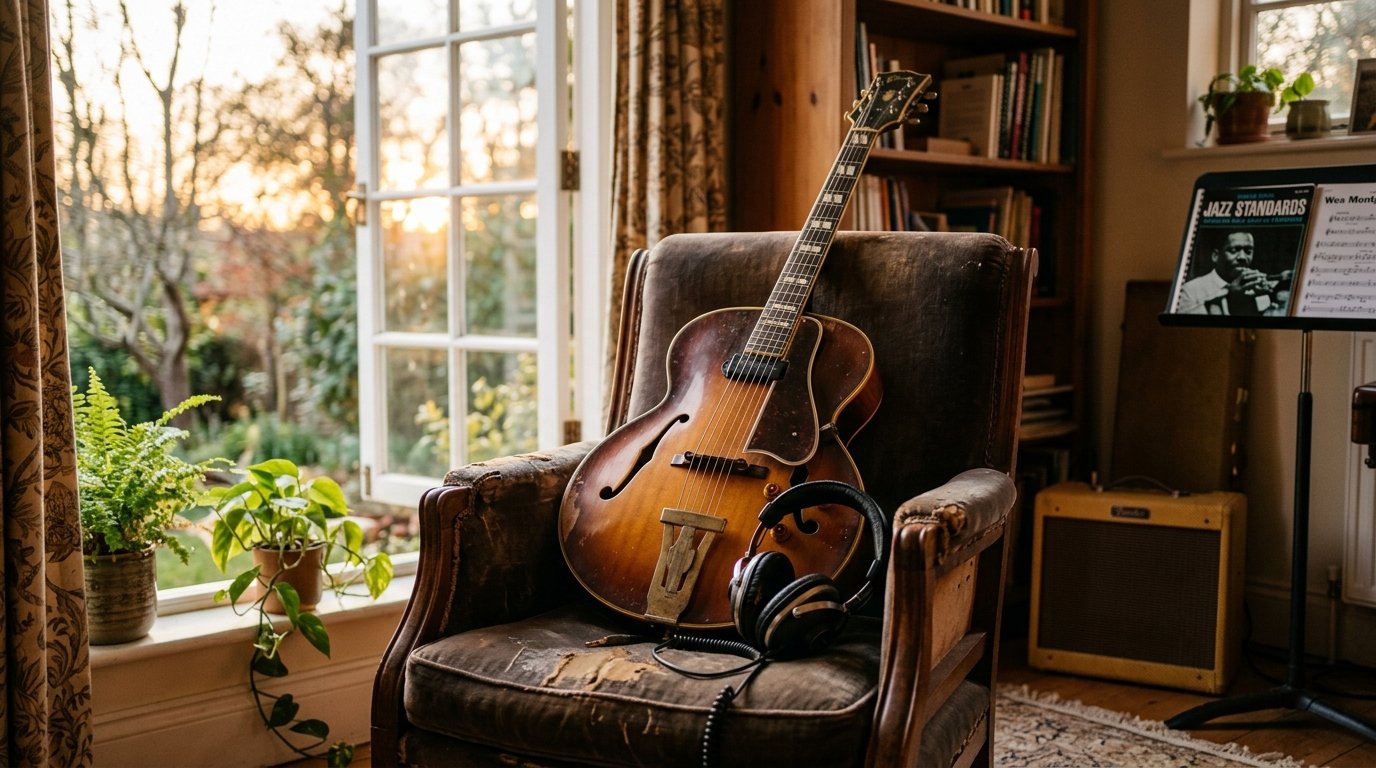
Do You Need to Be Smart to Learn Jazz Guitar? No — It Lives in Your Ear
You don't need theory chops to learn jazz guitar. Get the sound into your ear first — through repeat listening — and your hands will follow. Here's the ear-first method, step by step.

Do You Have to Count Every Beat in Jazz? No — Target the ‘Head of the Beat’
You don't count every beat when you play jazz guitar. You aim at targets — the places where melody and harmony line up, especially beat one of each bar, the 'head of the beat.' Everything in between is free.
How Do You Build a Jazz Guitar Repertoire? Own One Tune From Intro to Ending
The fastest way to build a jazz guitar repertoire is to fully own one tune — intro, melody, solo, comping, and ending — before adding another. Here is the complete checklist and the playlist method for learning it.
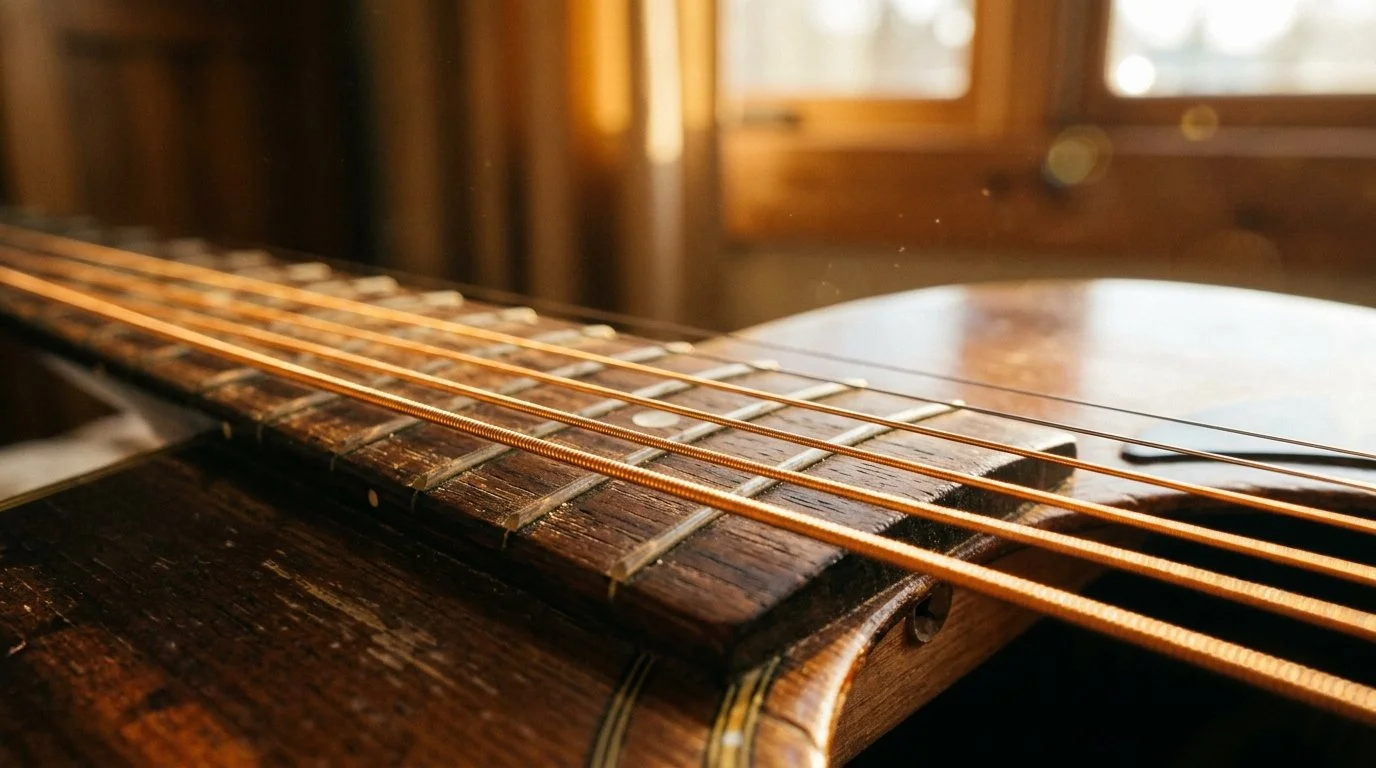
How to Learn a Jazz Standard on Guitar: Start With the Melody, Not Scales
To learn a jazz standard on guitar, start with the melody — not scales or licks. Play the tune until it lives in your ear, add the bass note, then a shell voicing, then build a simple solo from what you already hear.

How to Learn Jazz Guitar as a Beginner: A 3-Step Method That Actually Works
If you're a beginner wondering how to actually start learning jazz guitar, three steps cut through the noise: research your hero's heroes, listen deeply to pre-1960 jazz, and transcribe one player in depth.
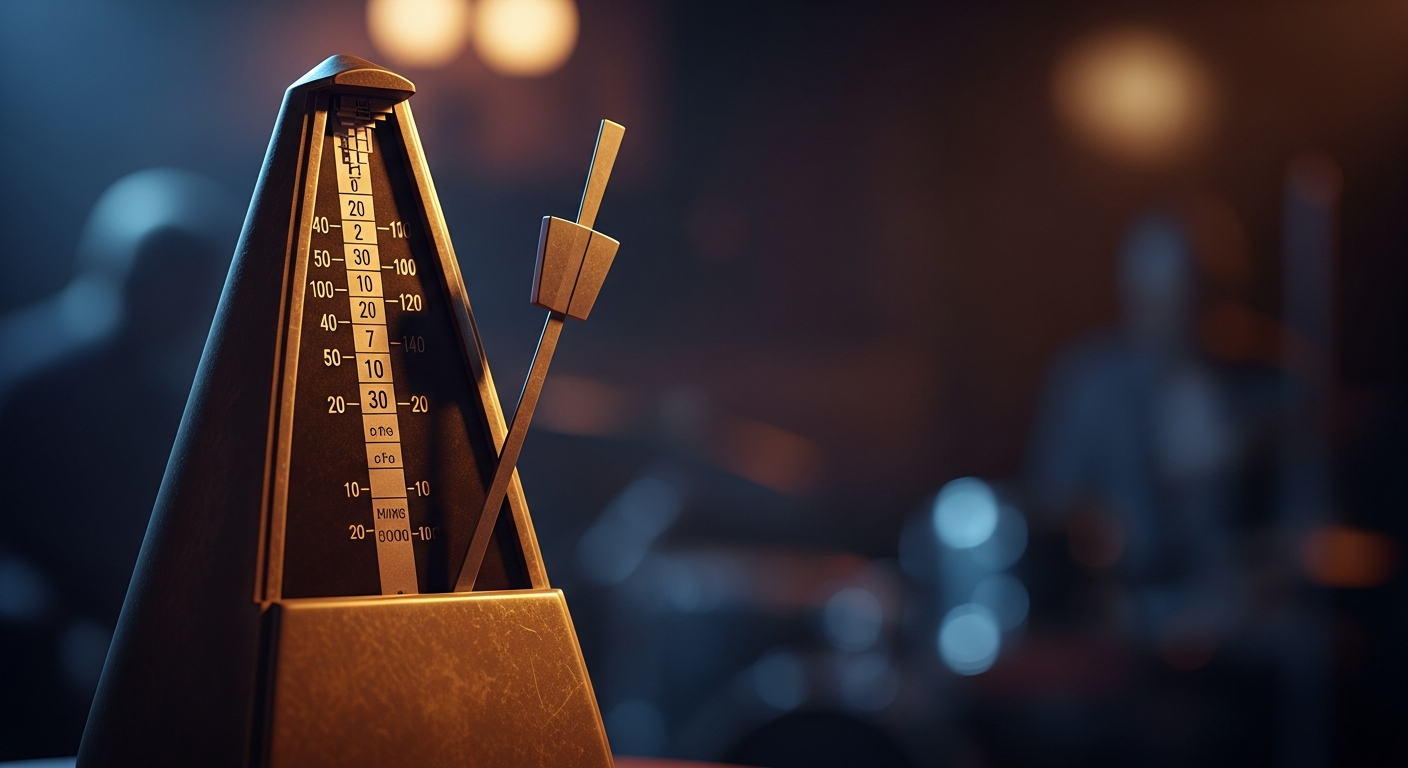
What Does ‘Swing’ Actually Mean in Jazz Guitar?
Swing isn't a shuffle. It's the feeling of two and three happening at the same time — a triplet pulse with the middle note pulling the beat. Here's how to hear it and practice it with a metronome.
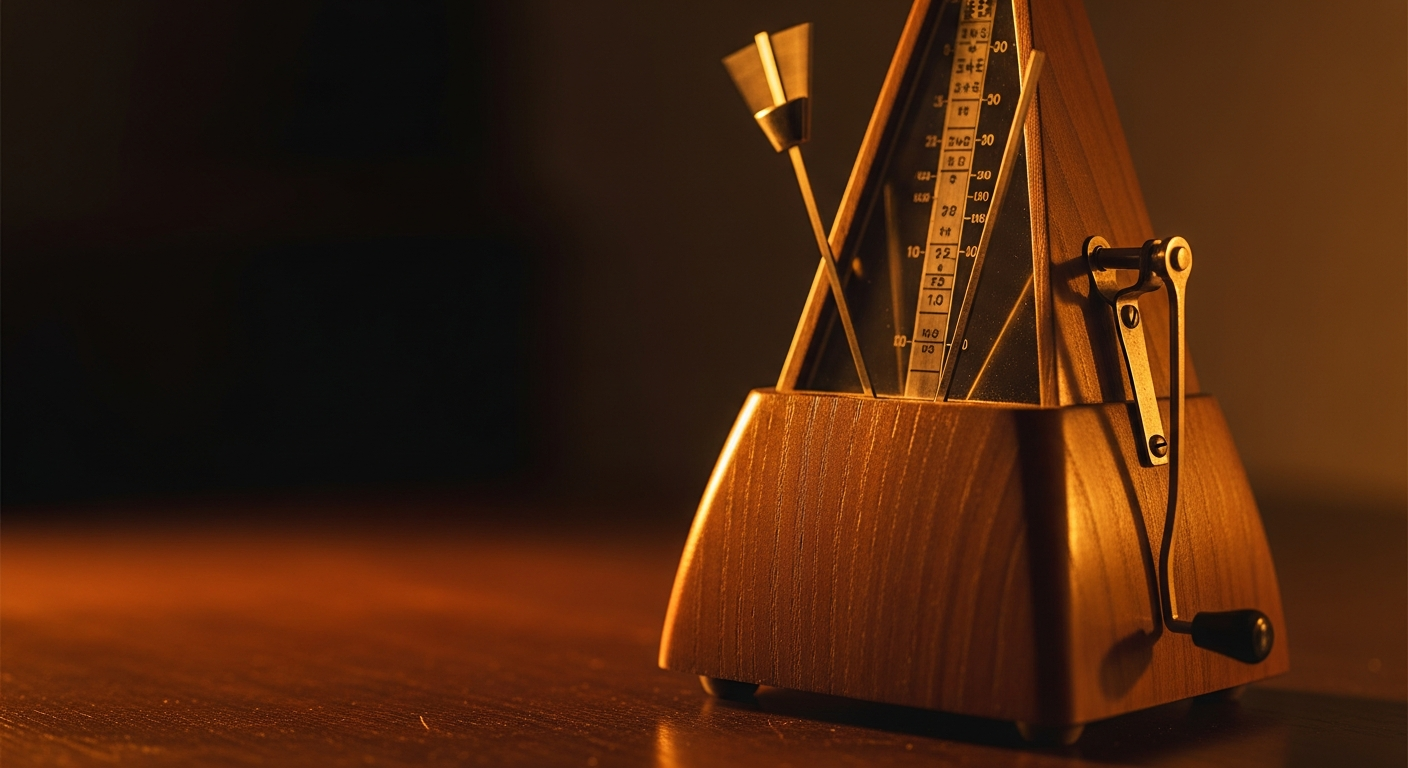
Swing Rhythm Guitar: How to Practice With a Metronome on Beats 2 and 4
To practice swing on jazz guitar, set your metronome to click on beats 2 and 4 instead of all four beats. The click becomes the drummer's hi-hat, and your job is to make it disappear by locking your time to it.