
'Excuses Are Just Excuses': A Working Musician's Philosophy for Growth
No Time to Practice? Let's Talk About That. "I want to make music, but I just don't have the time. My job, my kids, my life... it's just too busy." This is a sentiment familiar to almost every adult musician. I know it well. I am a working professional, a husband, and a father to two, soon to be three, children. It's been nearly a year since I moved back to Korea, and I still haven't played a single club gig. I have a mountain of excuses I could point to. But at a certain point, a realization dawns: "Excuses are just excuses." Musical growth is not determined by the absolute quantity of time you have, but by the quality of your intention and focus within the limited time you can carve out. This weekend, I want to reflect on a philosophy of practice for all of us who dream of musical growth amidst the beautiful chaos of a busy life.
If you want a structured way to apply this discipline, see How to Build a Jazz Guitar Practice Routine in 10-Minute Blocks.
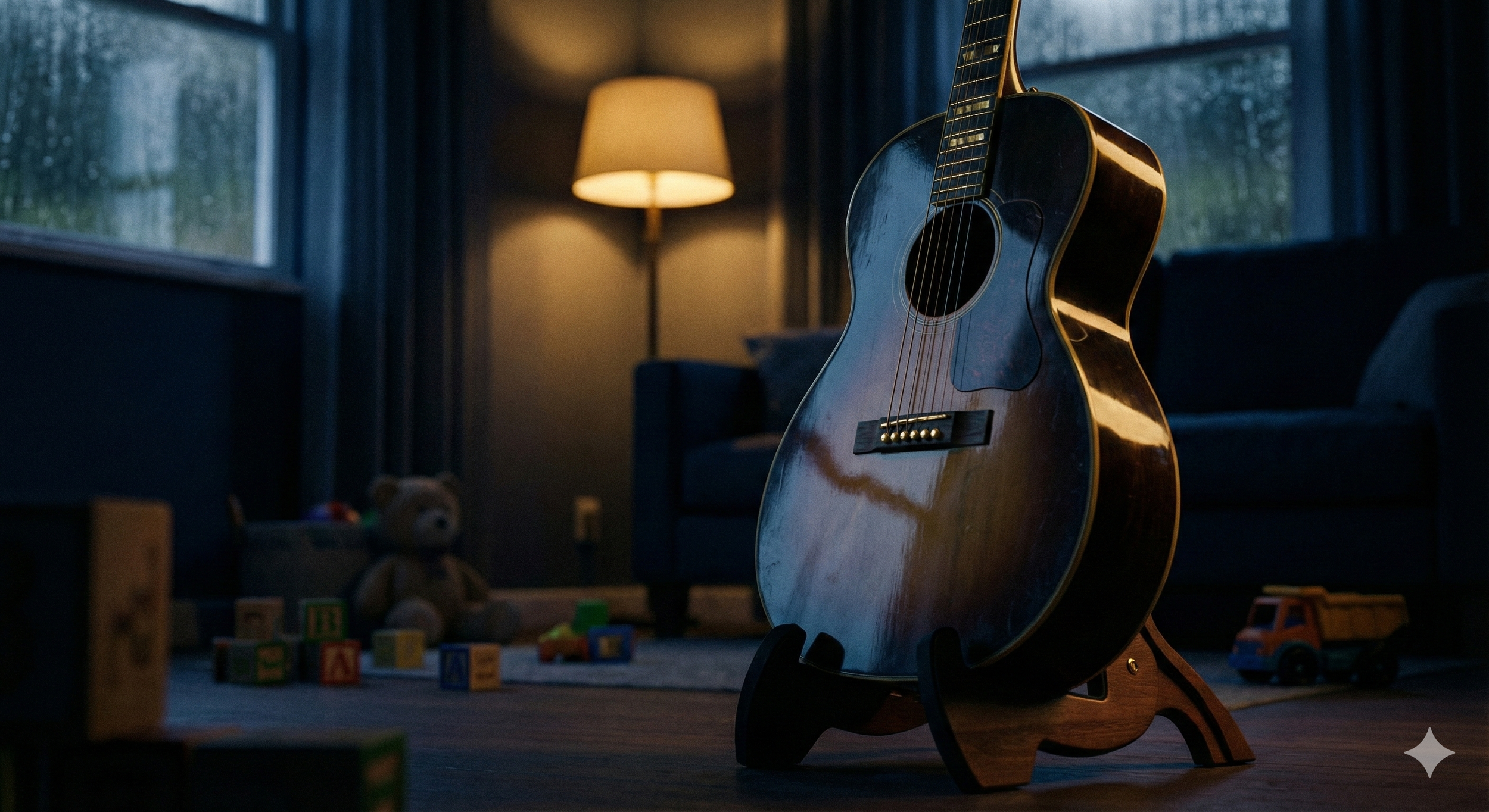
Guitar is not a furniture nor a toy
'Internalization'—Practice That Goes Deeper Than Copying Notes Many aspiring players ask for tips on how to practice rhythm, especially how to achieve that elusive, behind-the-beat "lay-back" feel that master players have. This sense of groove isn't developed by mechanically playing scales to a metronome. Real rhythmic development begins with transcription—the disciplined act of learning a master's performance by ear. However, the most crucial aspect of transcription is what you are trying to capture. If you're only focused on which notes were played or what licks were used, you're merely scratching the surface. The practice of a true artist is a process of internalization. It's about absorbing a player's time, their rhythmic feel, and their phrasing so completely that it becomes a part of your own musical DNA. This is why you should transcribe an entire chorus from Wes Montgomery or a whole solo from George Benson. When you commit to digesting their playing in its entirety, you begin to absorb their musical breath, their unique placement of notes against the pulse. It's analogous to reading several books by the same author; you gradually become familiar with their style, their cadence, and their way of thinking. This is a depth of understanding you can never achieve by simply "lick-mining"—picking out flashy phrases here and there. This profound approach applies not just to technique, but to mindset as well. I have a vivid, and slightly painful, memory of my master's degree audition. The professor addressed the group and said, "Nobody here doesn't know 'Blue Bossa,' right?" I confidently raised my hand and admitted, "I don't." The embarrassment was real, but that moment taught me a vital lesson in humility. The journey of a musician is filled with moments of imperfection and vulnerability. But the important thing is to play with sincerity in every single moment, whether you're a hobbyist or a professional. That is what gives our music value.
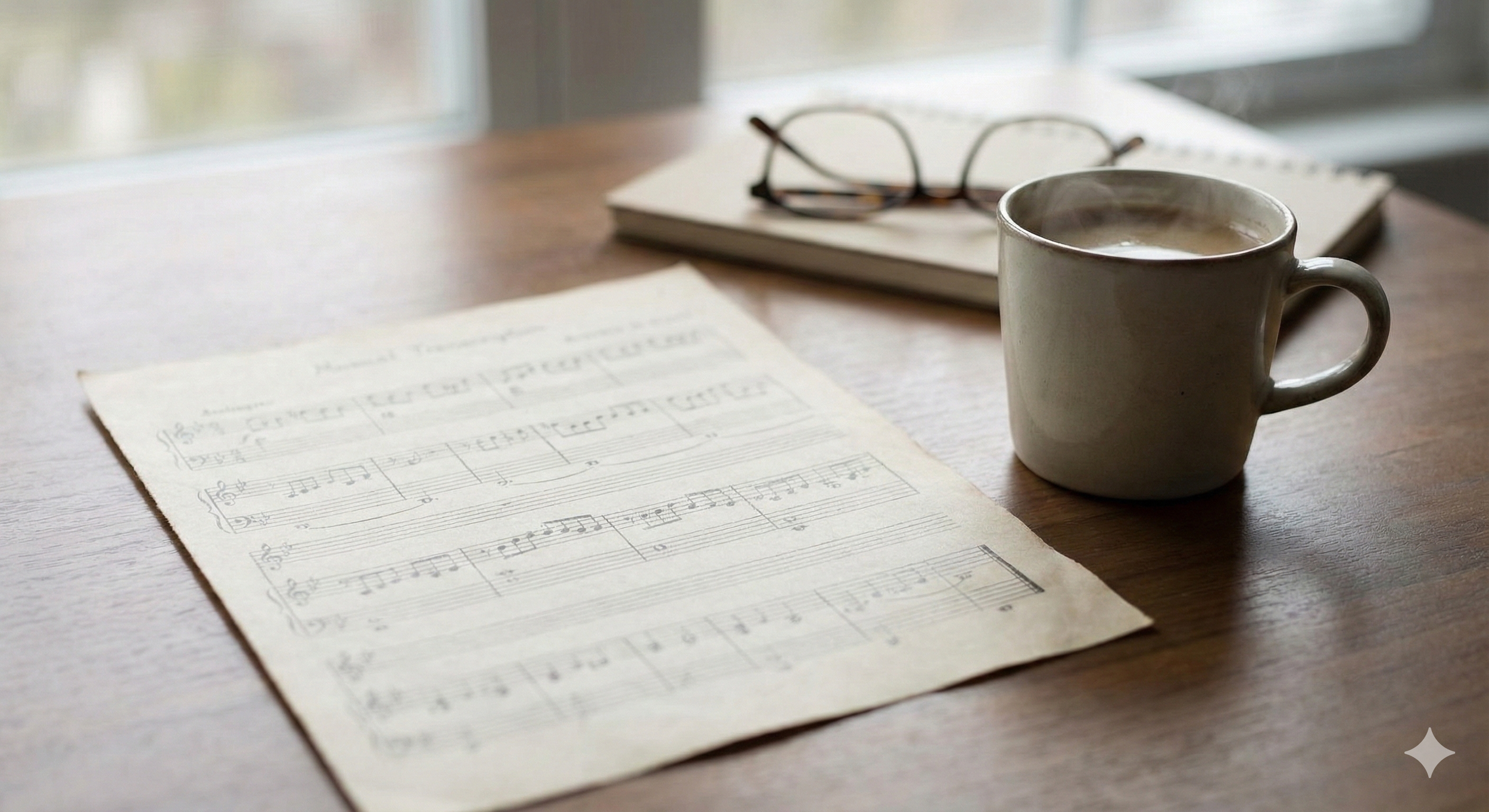
Music is life
The Attitude of Sincerity in Every Note Perhaps having a lack of time is a hidden blessing. It makes the 30 minutes we manage to find more precious and urgent than someone else's three hours. That scarcity forces us to be more intentional. Instead of mindlessly running finger exercises, we might spend that time deeply listening to a single phrase of our favorite solo, striving to capture its rhythmic essence. The very desperation that keeps you holding onto your instrument amidst a busy life is the most powerful engine for making your music special. Today, move past the excuses. Pick up your instrument and play, even just one note, with all your sincerity. When you need musical inspiration and a clear direction for your growth, visit Bridge: Theory and Bridge: Sound to join the journey.