
The Magic Number 11: Expanding Minor Chord Voicings for Depth and Color
Breaking Free from the "Safe" Shapes
As intermediate layers, we often find ourselves trapped in the rigidity of muscular memory. We see Cm7 in a Real Book, and our hand instantly forms the same generic shape we learned on day one. While functional, this approach lacks the sophistication and color that defines professional jazz guitar styles. A viewer in our live session asked a pivotal question regarding harmonic theory: "Is it permissible to play the 11th tension in a minor 7th chord while also sounding the 3rd?"
The answer is not only "yes," but realizing why it works is a major breakthrough for intermediate harmony. Unlike major chords where the 11th clashes with the 3rd, in minor chords, the 11th is a "universal tension" that adds a beautiful, modern texture without destabilizing the chord's function.
The Bridge Theory Reference walks through exactly how upper structure triads and extended voicings connect to chord function.
For a foundational look at guide tones and shell voicings, see Breaking Free from Scale Blocks: A Beginner's Guide to Shell Voicings.
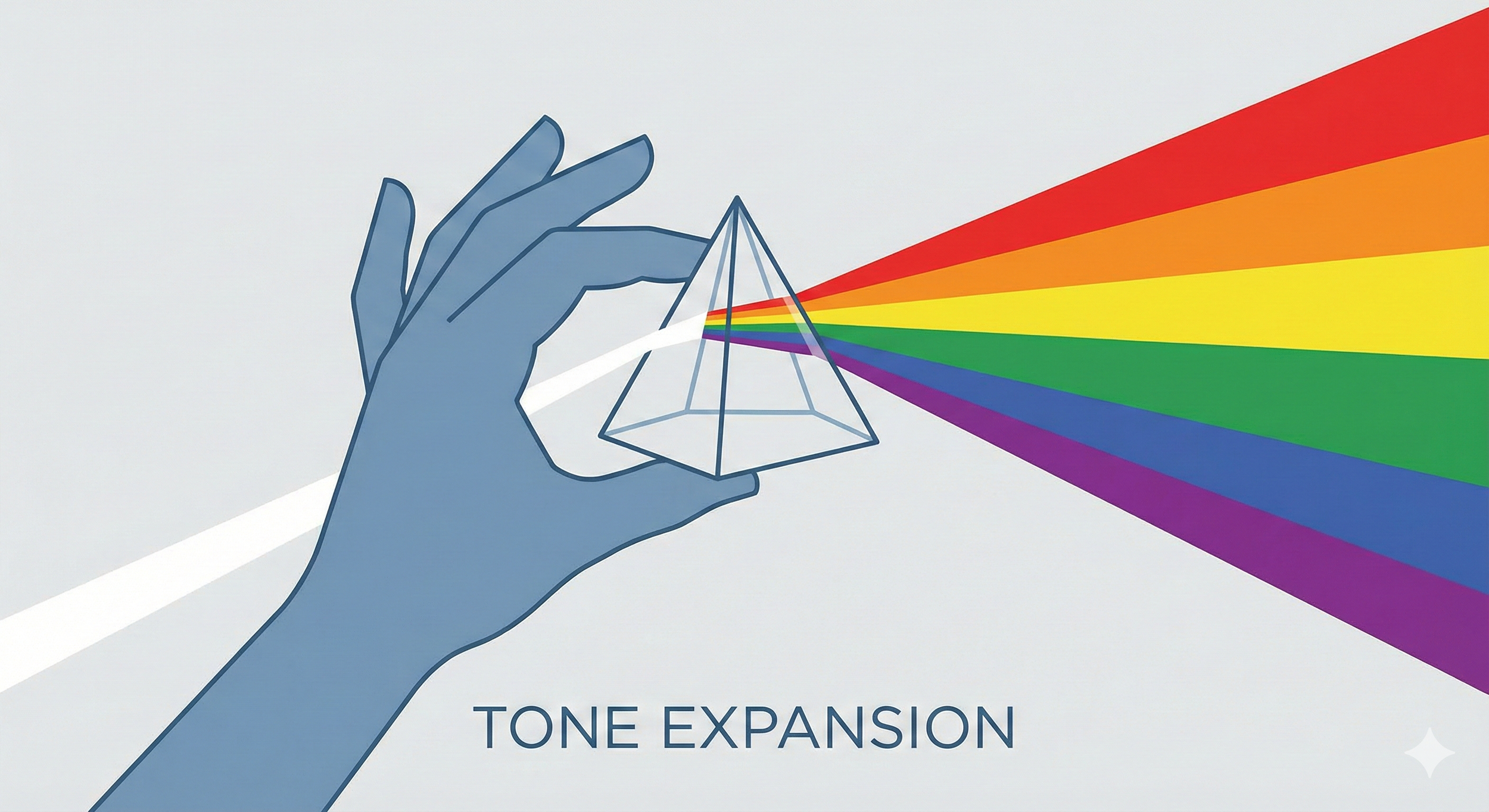
Main Concept: The Safety and Beauty of the Minor 11th
Let's delve into the theory without needing a diagram. In a Major 7th chord, the 4th interval (11th) creates a harsh minor 9th interval against the major 3rd, creating dissonance that usually needs to be resolved. However, in a Minor 7th chord, the interval between the minor 3rd and the perfect 11th is a whole step (major 2nd). This interval is stable, rich, and consonant.
Practical Application with Shell Voicings:
Instead of relying on full barre chords, use Shell Voicings (Root, 3rd, 7th) as your chassis.
Anchor the Form: Fret a typical Cm7 shell voicing starting on the A string (5th string).
Add the Extension: Use your available fingers (often the pinky or a slight barre adjust) to catch the F note (the 11th) on the B or high E string.
Result: You will hear a sound that is still distinctly minor but has a "floating" or "suspended" quality. It adds a layer of air and sophistication.
This specific coloration is essential for ballads like Body and Soul or Stella by Starlight, where static minor chords need internal movement and interest to sustain the listener's attention.

Summary
Stop viewing chords as static blocks. View them as opportunities for decoration. By understanding the harmonic safety of the 11th on minor chords, you can instantly modernize your comping vocabulary without learning thousands of new shapes. Start looking for the 11th scale degree in every minor chord you encounter this week.
For structured lessons on voicings and harmony, visit VoiceLidJazzGuitar.com.