
Play Like You Mean It: "What Do You Hear?”
The Solitary Path
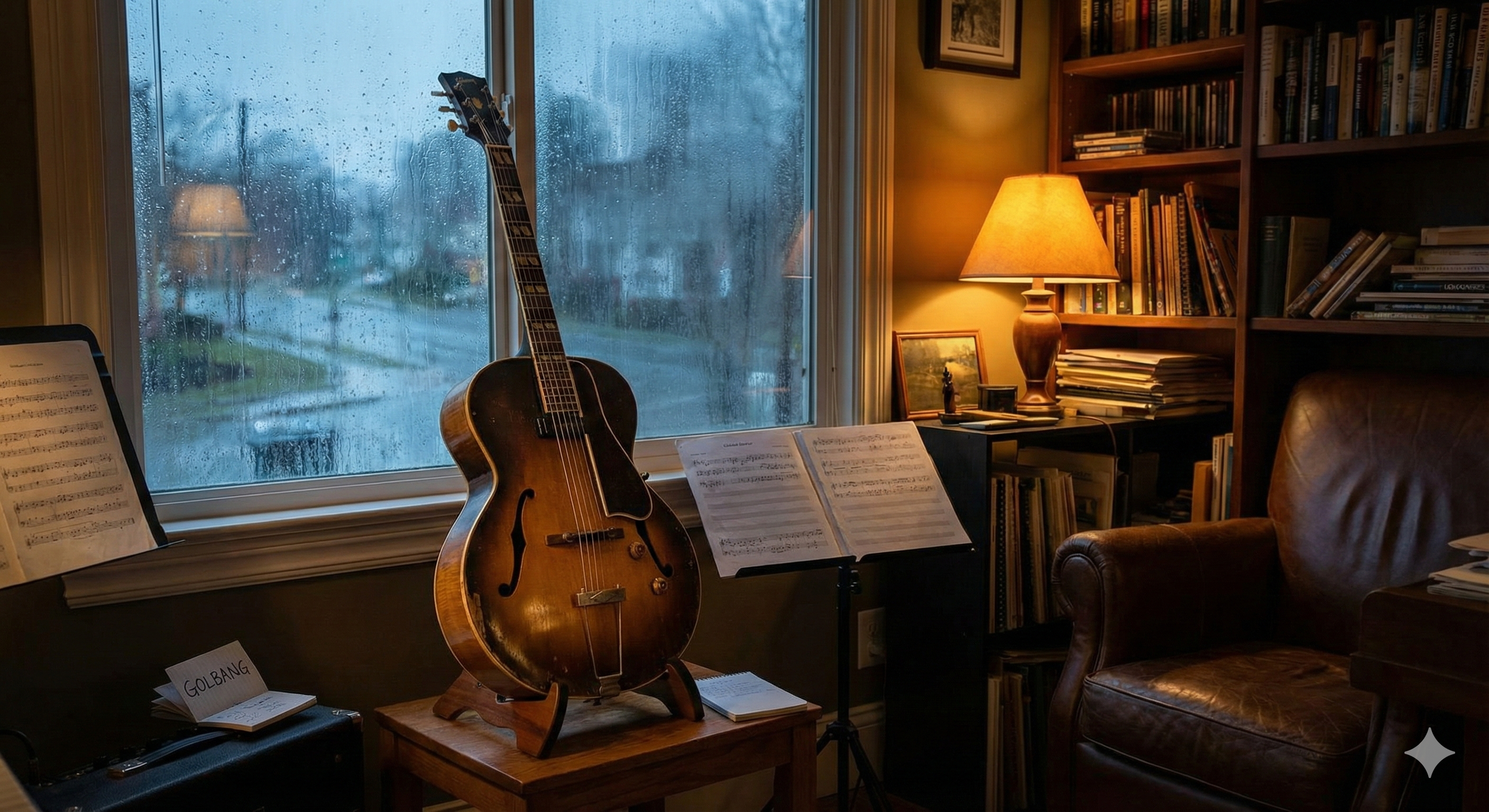
During the pandemic, and even now within the hustle of daily life, many of us fight a lonely battle in our practice rooms (or "Golbang," as we say in Korea). I am reminded of my time at USC. I arrived with dreams of being a performing artist, but reality hit hard with my son’s heart surgery and the demands of parenting. Instead of jamming all night, I attended classes and rushed home. I constantly feared, "Is my growth stalling?" However, a comment from a subscriber during my livestream moved me deeply. He said, "I have a day job, but I want to master Rhythm Changes." It reminded me that while circumstances might bind our time, they cannot bind our passion.
If you want a structured way to apply this discipline, see How to Build a Jazz Guitar Practice Routine in 10-Minute Blocks.
The Lesson: "What Do You Hear?"
When I was at Berklee, I asked my mentor, Richie Hart, how to play fast lines like he did. I expected a physical exercise. Instead, he asked me: "What is your ear hearing right now?" It felt like a riddle from a martial arts movie. He explained that if my mind couldn't clearly "hear" the melody at that speed, my fingers would never play it cleanly. Speed isn't just about mechanics; it's about the ear's ability to process and predict music.
Philosophy: Density over Duration We often complain about lack of time. "I only have 30 minutes after work." But growth comes from the intensity and sincerity of practice, not just the hours. Playing like you mean it—even for 15 minutes—is infinitely more valuable than noodling mindlessly for two hours. Whether you are a pro or a hobbyist with a full-time job, approaching the instrument with the intent to master a sound (like Peter Bernstein’s touch or George Benson’s rhythm) is what defines a musician.
Play with Heart When I played Autumn Leaves to close the session, I focused not on licks, but on the feeling of the season passing. Play every note with intention. If your ear leads the way and your heart is in the sound, the technique will follow. Don't hide behind the label of "hobbyist." Play with sincerity. For more inspiration and community, visit VoiceLidJazzGuitar.com.
If any of this resonates and you’re ready to start connecting what you hear with what you play, Building Blocks is the entry point.