
The Weight of a Musician’s Life and Finding Solace in Kenny Burrell’s "Lotus Blossom"
The Shadows Behind the Spotlight
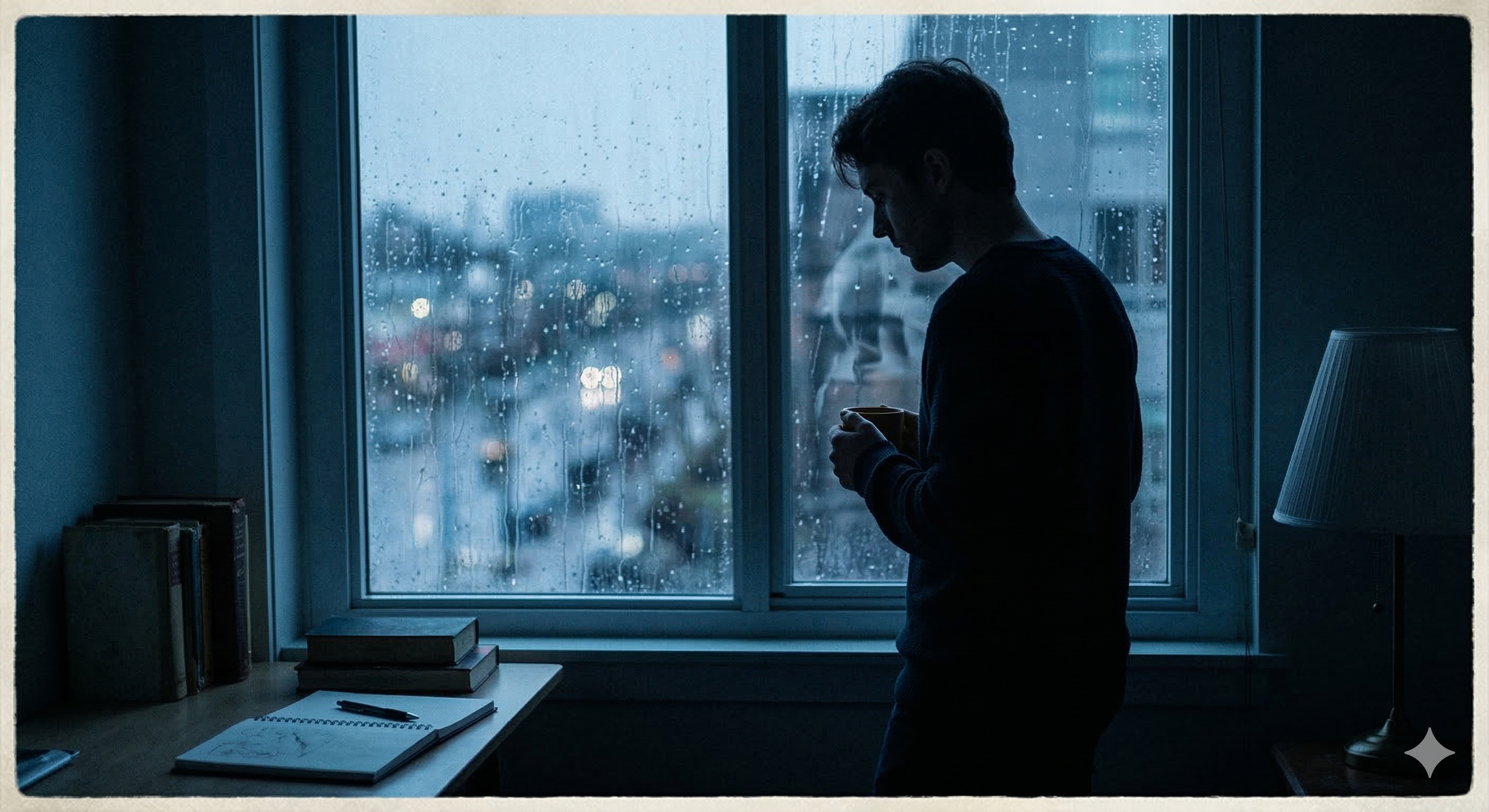
It is human nature to romanticize the life of a performing artist. We look at the stage and see the blinding spotlights, the roar of the crowd, the seemingly boundless artistic freedom, and the dazzling displays of technical wizardry. But what we conveniently forget is how heavy the silence becomes when those lights are finally switched off.
At the height of the global pandemic, I stumbled across a deeply moving, quiet interview with an internationally acclaimed European opera singer. He had spent his entire life undergoing excruciating training to reach the peak of his profession, singing in the world's grandest theaters. Yet, when the pandemic forced every theater door to lock, his identity evaporated overnight. Looking directly into the camera, he confessed: "The life of a musician is an endless string of auditions where you must violently prove your worth every single day. And when the final curtain falls, you are brutally forced back into a blank, empty canvas." Hearing those words made the old cynical warnings we used to hear as kids—"Don't marry a musician"—sting with an undeniable, tragic truth.
Why Do We Keep Playing? The Medicine of "Lotus Blossom"
Faced with such a precarious, financially unstable, and emotionally taxing path, why do we wake up the next morning and pick up our guitars, pressing our callused fingers back into steel strings? We do it because music possesses a primitive, medicinal power to heal. It applies a salve to wounds that words cannot reach.
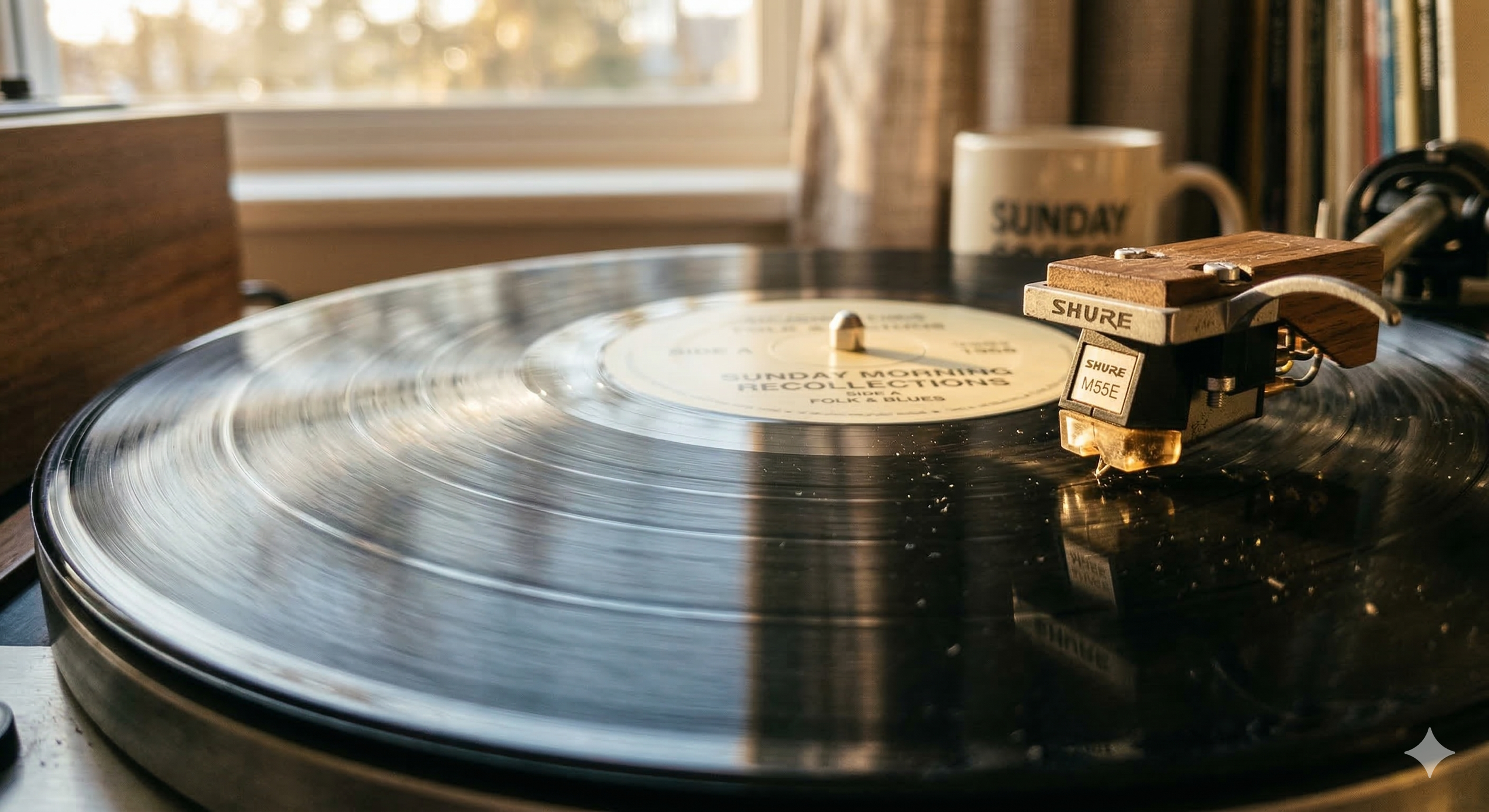
Whenever I feel spiritually exhausted by the relentless flood of 15-second shredding videos on TikTok or Instagram, I power down my screen, dust off Kenny Burrell’s legendary album Lotus Blossom, and gently lower the needle. You will find absolutely no pyrotechnics on this record. There are no frantic, breathless bebop lines flying up and down the neck to impress you. From the first track to the last, it is an album built on slow, deliberate ballad tempos, suspended in incredibly mellow, rich-toned textures. A modern listener might mistakenly label it "boring." But if you close your eyes and truly listen, you hear the profound, unedited confessions of an old master who has endured every high and low that life has to offer.
Playing the guitar is not simply the mechanical act of plugging into an amp and wiggling your fingers to generate volume. It is an act of alchemy. It is the miraculous process of converting unspoken sorrows, deep angers, or overwhelming joys into the physical vibrations of wood and wire. When you hit a wall in your practice, and the fretboard only brings you frustration, stop staring angrily at your scale book. Put the pick down. Listen to a master. Listen to the audible squeak of their fingers sliding over the round-wound strings. Every breath taken between their phrases feels like a hand resting on your shoulder, whispering, "I know exactly how lonely it gets down here, and you are going to be okay." Jazz is celebrated for its complex improvisation, but at its very core, it is the most radically empathetic human conversation.
The Power of a Single, Honest Note
The weekend is finally here. I urge you to grant yourself a 24-hour amnesty from the relentless ticking of the metronome and the suffocating pressure of music theory. Slow down. Brew a hot cup of coffee, and let Kenny Burrell's Lotus Blossom wash over you in its entirety. And tomorrow, when you decide to pick up your bruised, weary guitar again, do not default to playing cold, robotic arpeggios. Instead, close your eyes, gather every ounce of your sincerity and pain, and strike just one single, beautiful, sustaining note. Let it ring. Because sometimes, the absolute honesty of one perfectly delivered note resonates a thousand times louder than an hour of mindless skill.
If any of this resonates and you’re wondering where to start your own musical journey, Building Blocks is the entry point.
For more discussions on the philosophy behind the music, overcoming creative burnout, and the emotional journey of the jazz guitarist, join our community at VoiceLidJazzGuitar YouTube Channel. You don't have to walk this road alone.
더 배우고 싶다면:
🎸 이 영상에서 실제 연주로 확인: Your Solo Is Separate From the Song. Peter Bernstein's Never Was
📖 체계적으로 배우고 싶다면: Building Blocks — 무료 2시간 레슨