
Is Jazz the Classical Music of the 21st Century? Reflections on 1959, Debussy, and Ravel
Beyond the Notes
After the practice amp is turned off and the house is quiet, we often ponder the nature of the music we dedicate ourselves to. During our live session, an insightful comment sparked a fascinating discussion: "Listening to modern players like Peter Bernstein reminds me of classical impressionists like Debussy or Ravel." This observation opens the door to a profound realization about the trajectory of jazz history. Today, let's step back from technique and reflect on the "Classicalization" of Jazz.
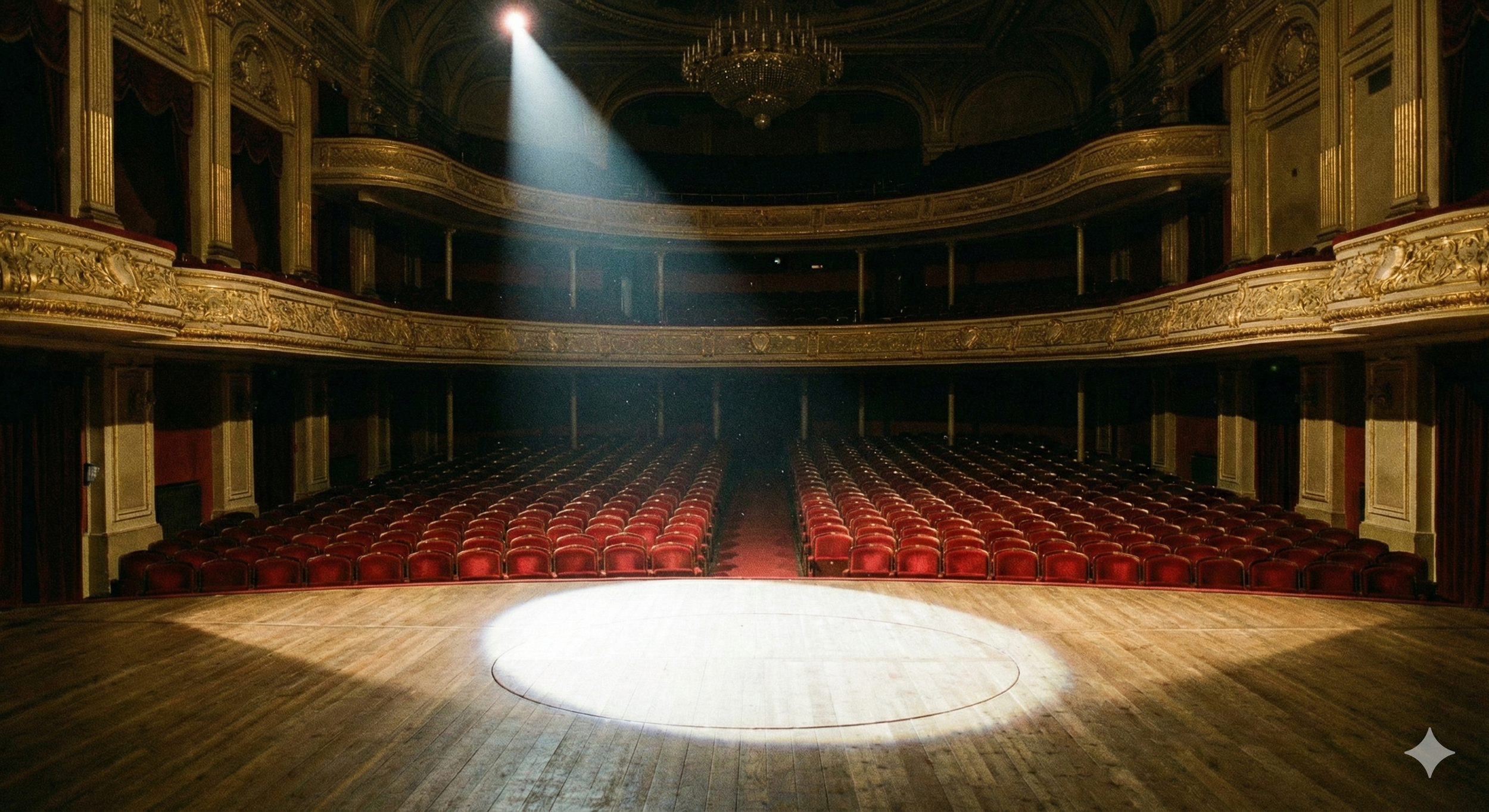
1959 and the Impressionist Connection
The year 1959 stands as a monolith in jazz history, marking the release of Miles Davis's Kind of Blue and John Coltrane's Giant Steps. Before this era, jazz was largely popular dance music. After 1959, it definitively crossed the threshold into "High Art," prioritizing artistic expression and harmonic exploration over commercial appeal.
The comparison between modern jazz and impressionist classical composers like Debussy and Ravel is not coincidental; it is structural.
Harmonic Complexity: Just as impressionists used extended harmonies to create "colors" and moods rather than strict functional resolutions, modern jazz relies on upper structures (9ths, 11ths, 13ths) to paint sonic landscapes.
Institutionalization: Jazz has followed the path of classical music into the academy. It is now studied in conservatories, analyzed in dissertations, and preserved in textbooks. While some critics argue this creates a "museum culture," the reality is that jazz has successfully established itself as a sophisticated musical language equal to the European classical tradition.
However, the vital difference remains: Improvisation. While we study the "classical" forms of jazz, the core of the music is still the spontaneous creation of melody in the moment. We learn the history not to repeat it perfectly, but to use its vocabulary to speak our own truth.
If any of this resonates and you’re wondering where to start musically, Building Blocks is the entry point.
Summary
Whether you are a hobbyist or a professional, recognize that playing jazz connects you to a rich, evolving lineage that spans from the brothels of New Orleans to the concert halls of Europe. When you strum a lush major 9th chord, you are echoing the harmonic innovations of Debussy through the lens of Duke Ellington. Play with the dignity and depth that this history deserves.
For more inspiration and community, visit VoiceLidJazzGuitar.com.