
What Makes Jacob Collier a Genius? His Ear — and That's the Lesson
Jacob Collier's genius isn't the 200-track loops — it's an ear that hears between the twelve notes and a voice that can sing what it hears. The lesson for jazz guitarists: the ear leads, the hands follow.
Why Did Wes Montgomery Say No to John Coltrane?
John Coltrane really did invite Wes Montgomery to join his band, and Wes really did decline — saying, with typical humility, that he had nothing to contribute. The full story touches McCoy Tyner's account, the guitar's strange position in jazz, and why the sounds Coltrane's band chased were already living inside Wes's lines.
Is Jazz Theory Only for Jazz? I Transcribed a Pop Ballad and Found All of It
Every composer already uses voice leading — they just don't call it that. Transcribing a pop ballad revealed the same 3rd-targeting melody and passing 7ths that jazz musicians spend years learning. The theory isn't a jazz dialect; it's the grammar underneath.
Should You Learn Licks or Transcribe Solos? What You’re Really Copying Is Time Feel
Licks give you fragments. Transcribing a whole solo gives you the player's time feel — and time feel is what makes American music sound like itself. Here's why 'play what you hear' is useless advice unless someone teaches you what to listen for.
Practice Just Running Laps? A Lesson From a Bad Soccer CoachIs Your Guitar P
A soccer coach who only makes you run laps never lets you touch the ball. Scale-only guitar lessons do the same thing. Fitness work matters — but the game is tunes, and you have to get in the water to learn to swim.
Why Can’t You Stop Playing? Your Solo Needs Breath, Not ‘Space’
When masters praise 'space,' they don't mean silence for its own sake — they mean breath. If you can't stop playing, the fix isn't restraint: it's checking whether your ear or your hands are leading, and singing what you play.
an’t You Follow Your Jazz Guitar Teacher? They Forgot the Steps They ClimbedWhy C
When a jazz guitar course loses you halfway, the problem is usually missing steps, not missing talent. Experts forget the stairs they climbed — here's how one teacher rebuilt his entire method after learning that.
Why Do You Always Play the Same Rhythms? Because You Sound Like What You Listen To
If every solo comes out in straight eighth notes, the problem is your listening diet, not your hands. Learning jazz guitar works like learning a language: you absorb the rhythm of whoever you immerse in — so choose Wes Montgomery, George Benson, and Grant Green.
es Montgomery Write His Own Blues? Four Tunes That Teach the Whole SystemWhy Did W
Wes Montgomery didn't just play the blues — he wrote his own: Cariba, The Thumb, Fried Pies, West Coast Blues. Each tune distills one side of his system — the sound, the line, the voice — and the jazz-waltz West Coast Blues ties them together.

The George Benson Answer: Do You Need Jazz to Play Modern R&B Guitar
Modern R&B guitar is jazz wearing new clothes: the vocabulary of today's hottest players traces straight back to George Benson. From Tom Misch sampling Benson's Stella by Starlight intro to Peter Bernstein playing Prince, here is why learning jazz makes you a better R&B player.
The ‘Big Ears’ Secret: How Jazz Guitar Masters Really Learned to Play
The real secret to playing jazz guitar like the masters isn't a scale system — it's the ear. George Benson learned tunes in one listen; Wes Montgomery memorized big-band parts without reading. Here's how 'big ears' are built.
GuitarYour Sound Is Inherited: A Weekend Reflection on Lineage in JazZ
Your sound on jazz guitar isn't invented from nothing — it's inherited from the teachers and heroes you study, then quietly personalized. A weekend reflection on lineage, the thumb, and the strings that carry someone else's influence.
Jazz’s Real Revolution Was Rhythm, Not Notes — A Weekend Reflection
By the time Schoenberg pushed note choice to its limit with twelve-tone music, jazz had already changed everything — not by inventing new notes, but by inventing a new rhythm. Swing, not harmony, was the revolution.

Learning Jazz Guitar: Why the Right Teacher Grows Your Repertoire, Not Your Scale Drills
The best way to learn jazz guitar is to find a teacher who keeps adding tunes to your repertoire, not one who drills modes and scales. Like a soccer coach who only makes you run laps, a scale-only teacher never lets you touch the ball.

You’ll Sound Like Yourself Anyway: Why Copying the Masters Won’t Erase Your Voice
Copying Wes, Benson, and Bernstein note for note won't turn you into a clone. The way you choose, phrase, and resolve those ideas is unavoidably yours — your own voice emerges through imitation, not despite it.

Why Drilling Scales in 12 Keys Won’t Make You a Jazz Player — Build Repertoire Instead
Drilling voicings and scales in all twelve keys only gathers ingredients — it never cooks the meal. Real jazz growth comes from learning whole tunes until you can jam them. A weekend reflection.

Jazz Guitar Mindset: ‘Now We Really Play Jazz’ — Why Exhaustion Is When the Real Music Starts
There's an old jam-session saying: 'Now we really play jazz.' It refers to the moment a musician is too tired to fake it — and that is when the honest playing starts.
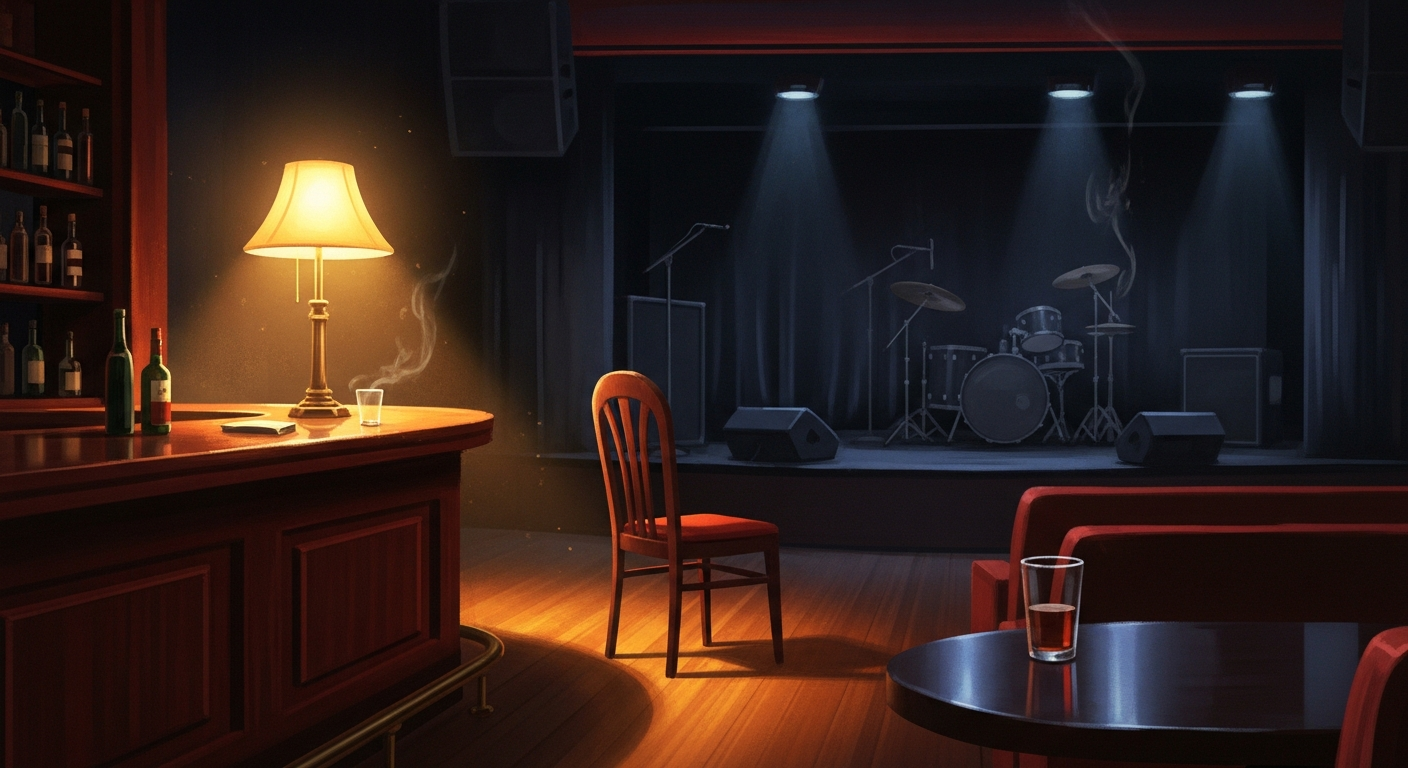
Why Some Master Musicians Refuse to Listen Back: A Weekend Reflection on Honest Ears
A pianist friend once told me listening to his own recording felt like tasting his own vomit. Peter Bernstein and Ron Carter refuse to listen to playback at all. What does it mean — and what does it tell us about how to practice?
Jazz Guitar Practice Tips: Why Drilling One Tune Will Stop Your Growth
Most serious jazz guitar students hit the same invisible wall: they have one or two tunes they can play deeply, and everything else feels shallow. The reason is not lack of practice. It is the wrong shape of practice — and a borrowed metaphor from a Japanese comic book might be the clearest way to explain why.

Jazz Guitar Mindset: Why Playing the Same Tunes Deeper Beats Learning More Tunes
There's a question I encounter regularly, from students and from people watching live streams: "Don't you play the same tunes every time?" Sometimes, yes.